



Fay
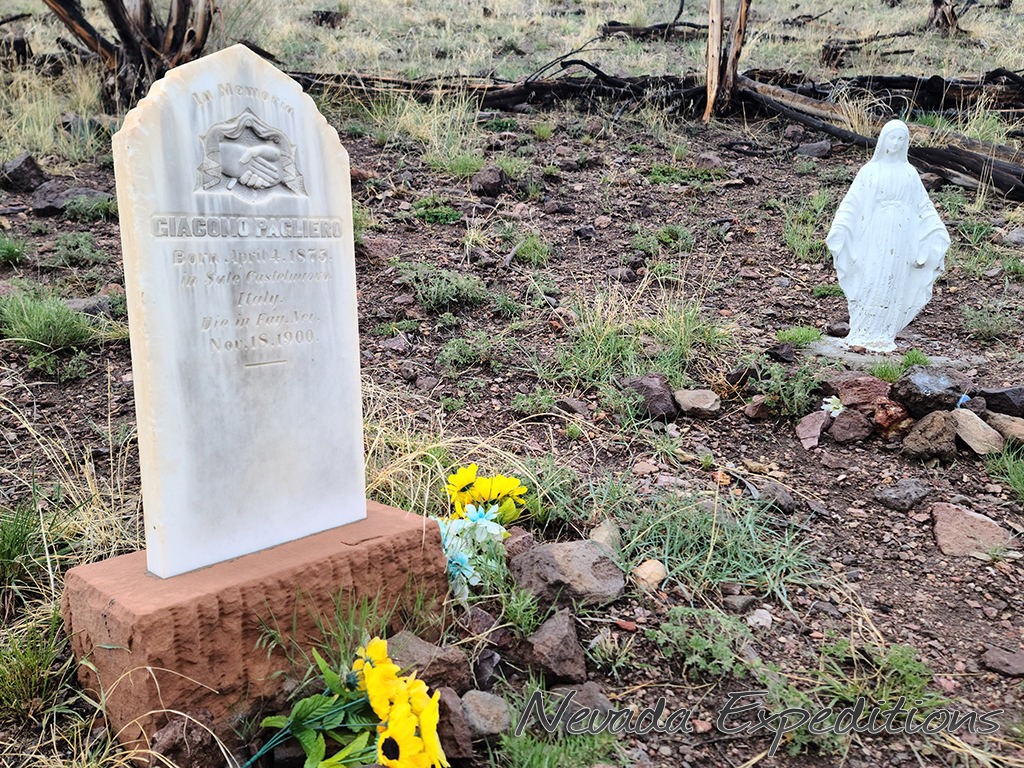
Shortly before the turn of the twentieth century, A.W. McCune took over the Homestake and Horseshoe mines near Deerlodge and made plans for a 150-ton mill. He also selected the location of a new townsite, which he named Fay City after his daughter (though it was often referred to as simply 'Fay', a name which was cemented in history when the post office opened later that year). The mill, with a cyanide plant and capacity of 90 tons, was started up in August, and soon Fay had stores and buildings on the move from nearby Deerlodge. To celebrate its first New Year, a grand masquerade ball was held to raise funds for a new school.
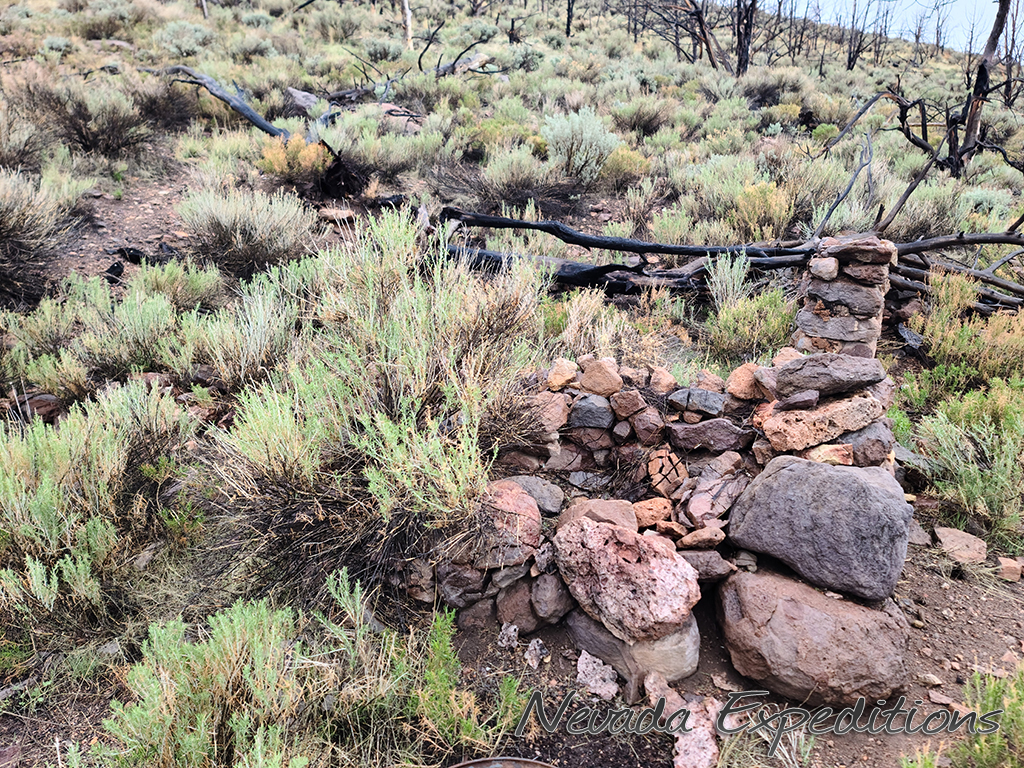
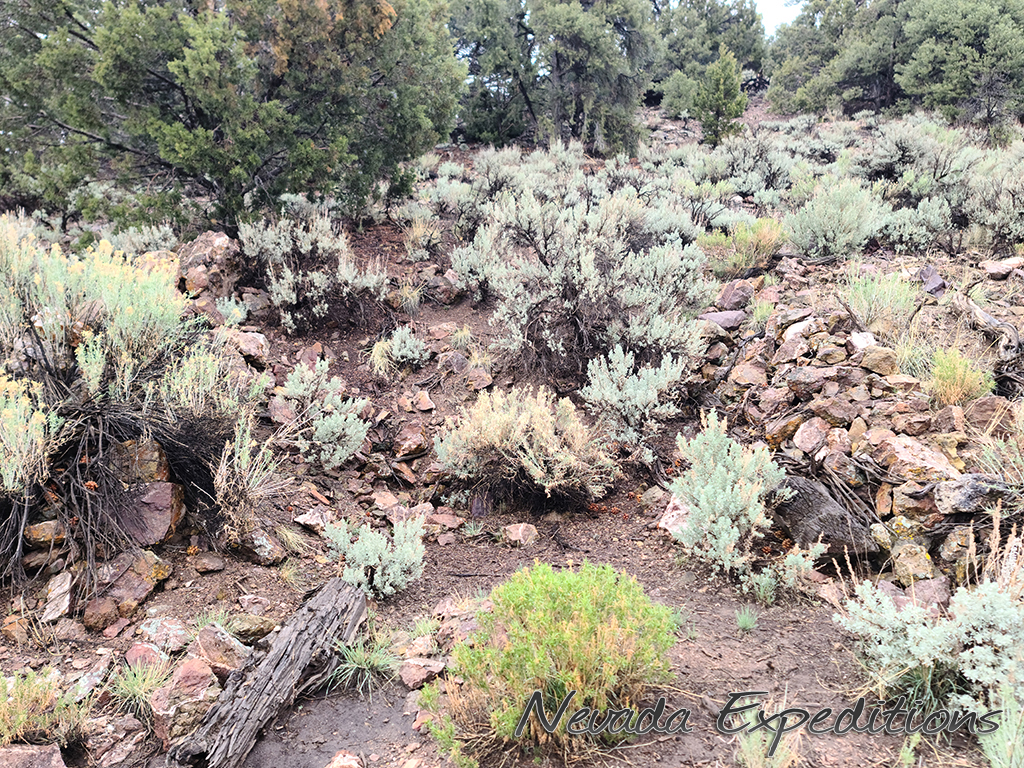
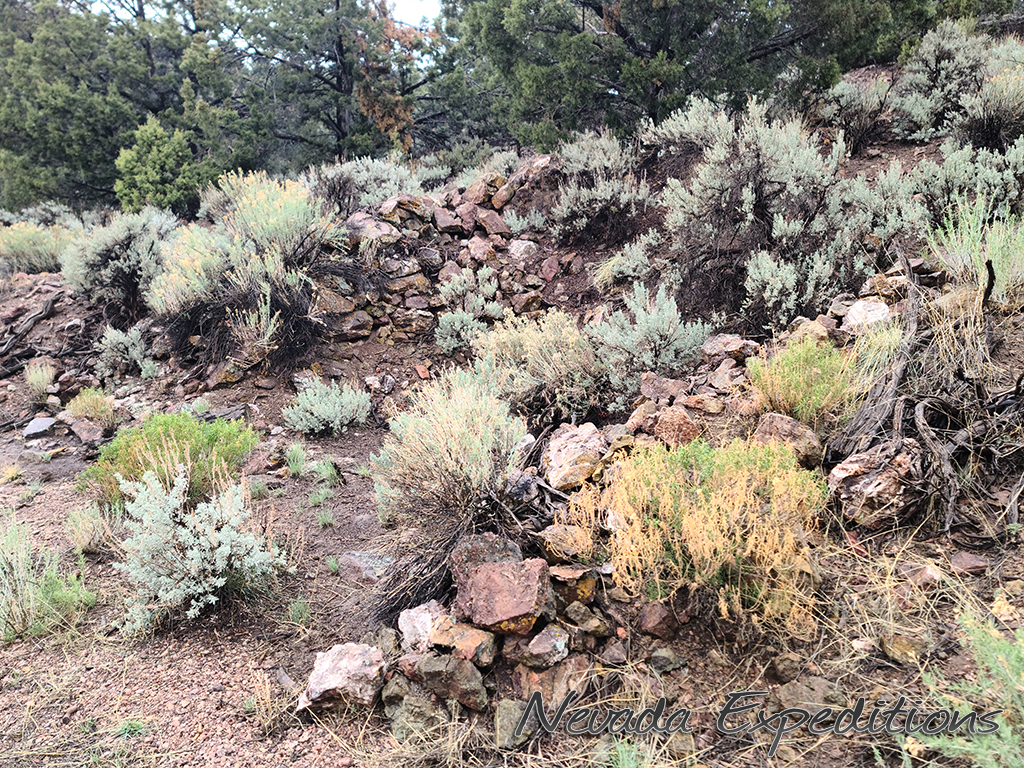
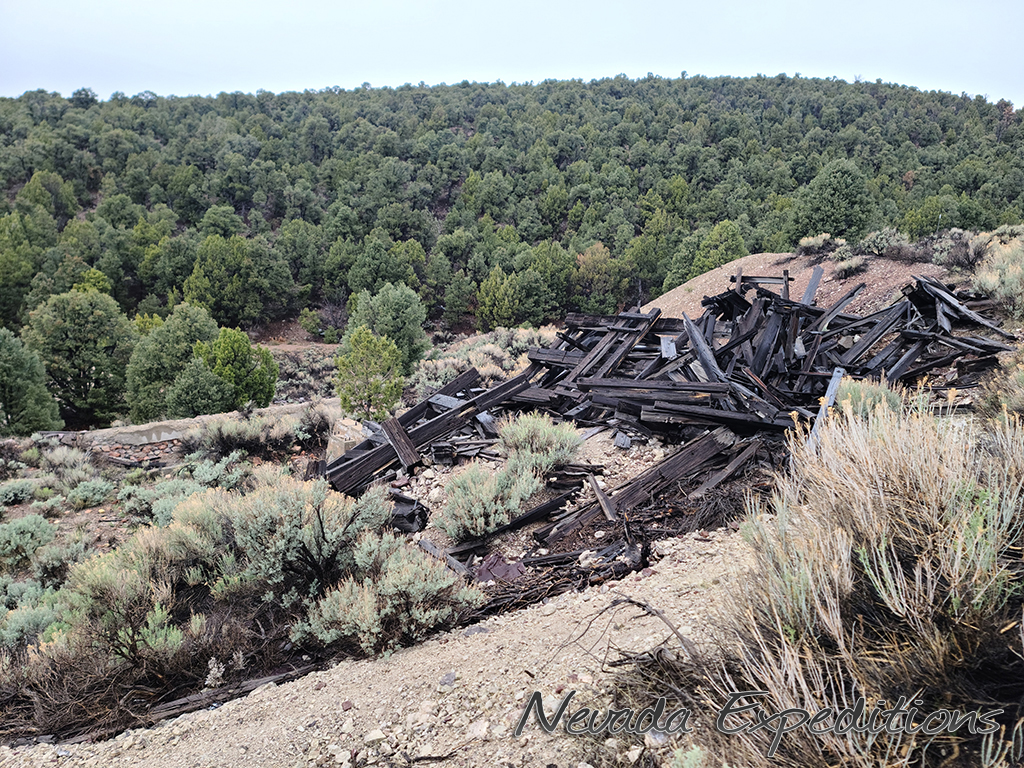
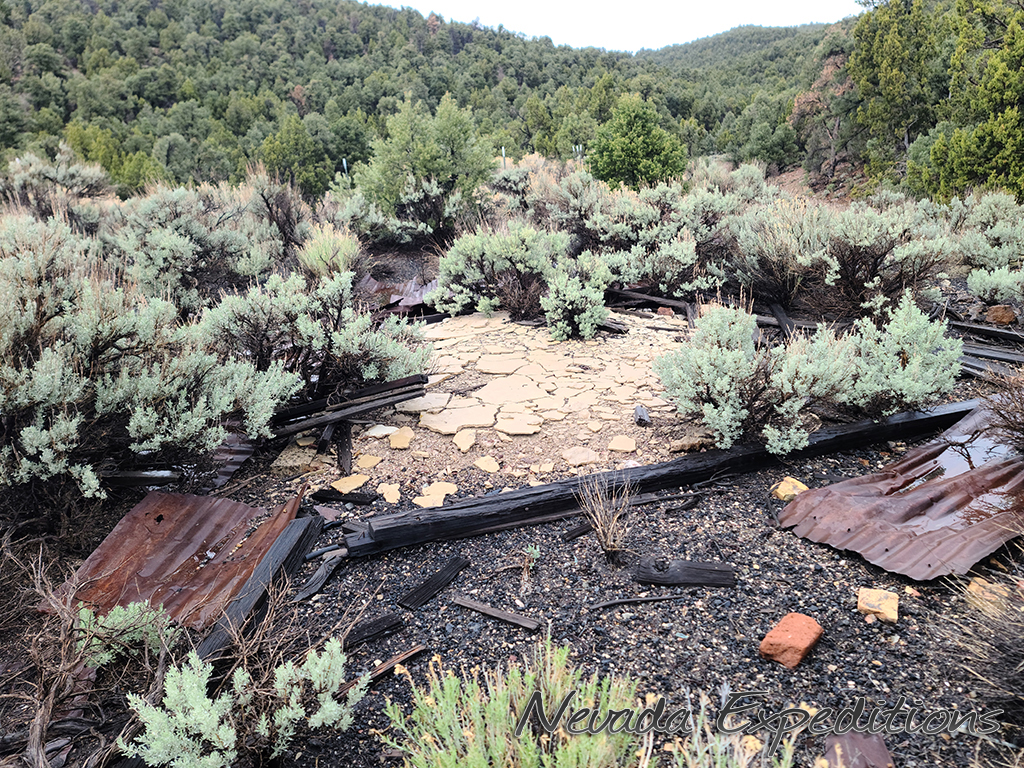
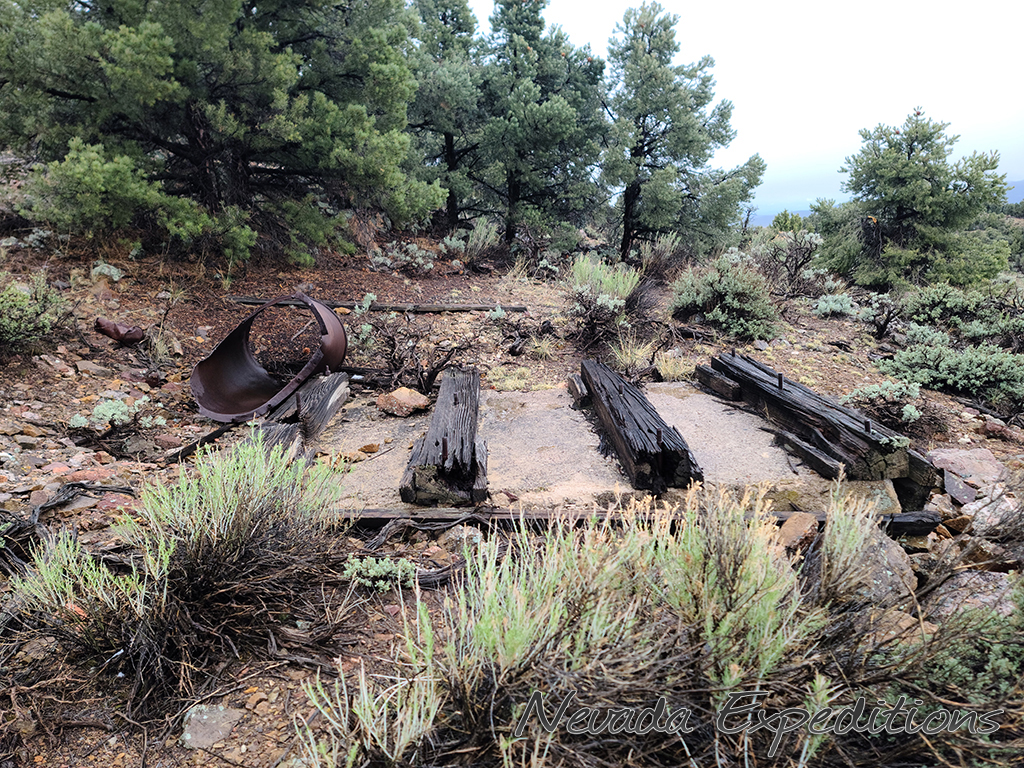
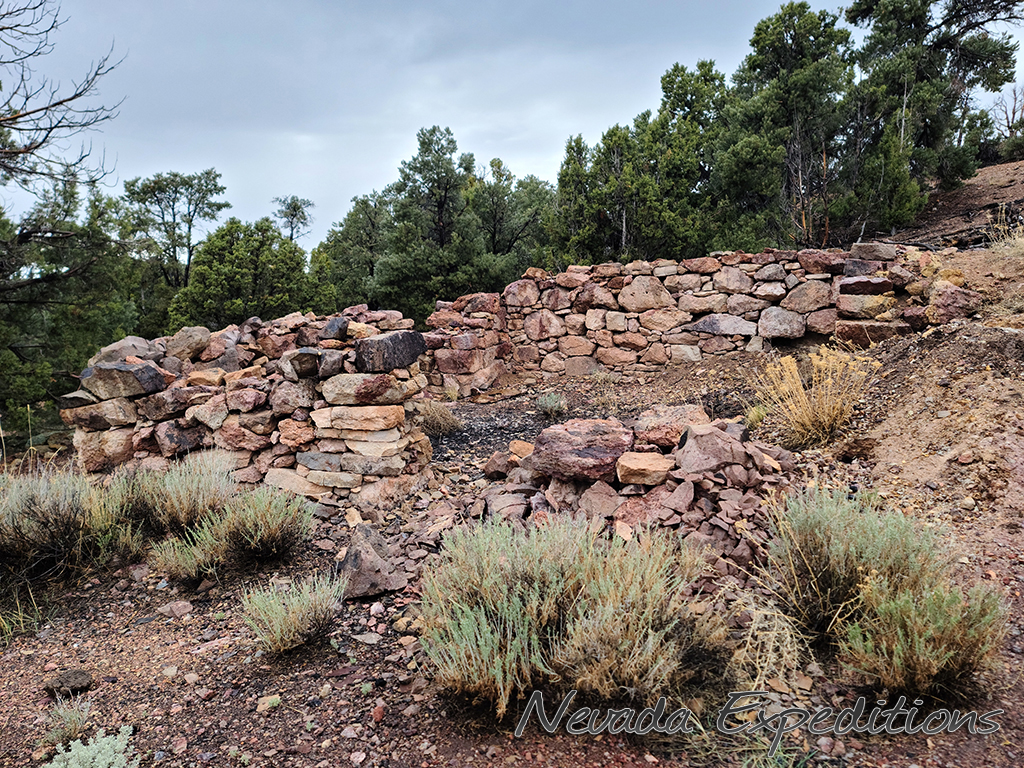
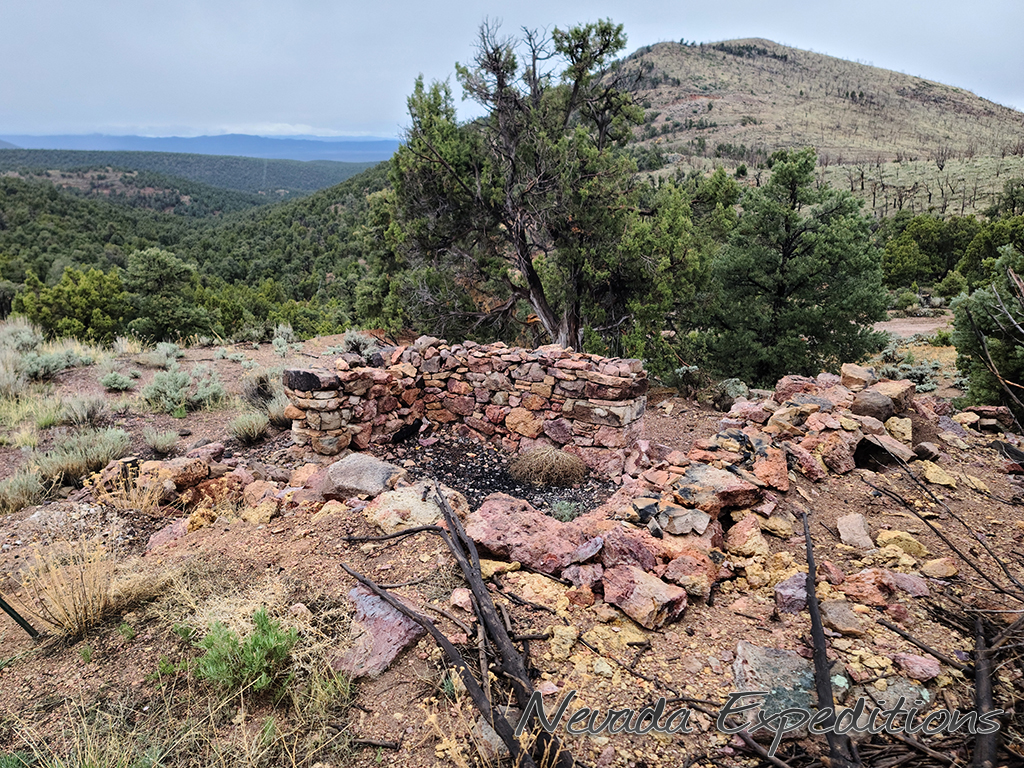
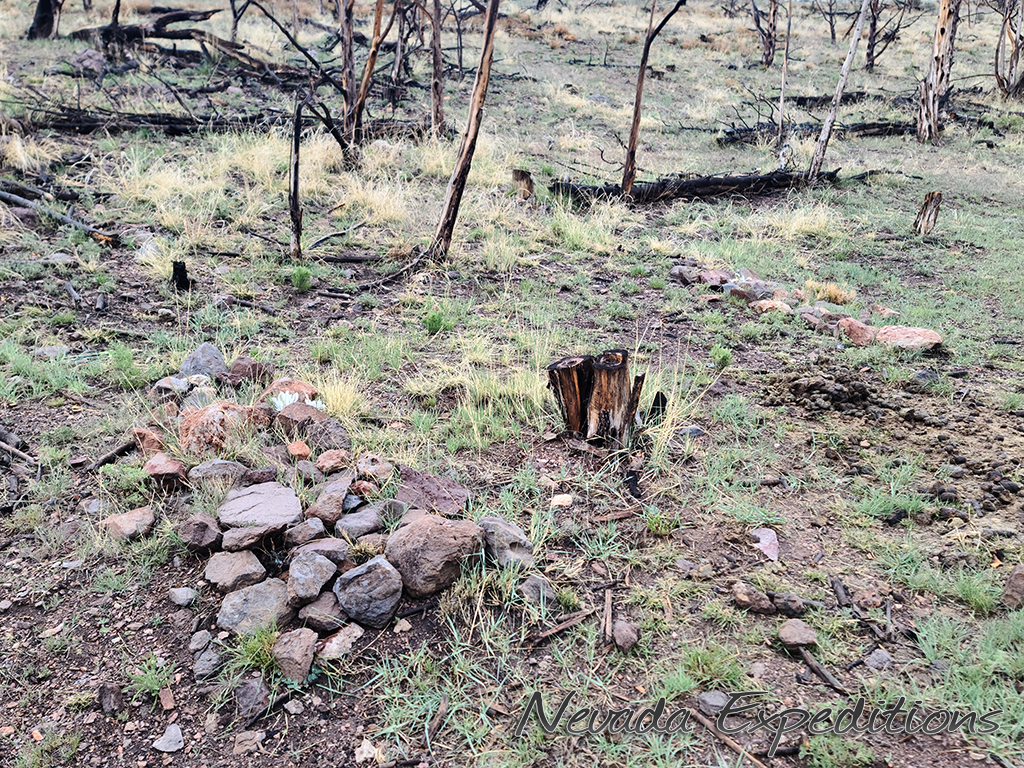
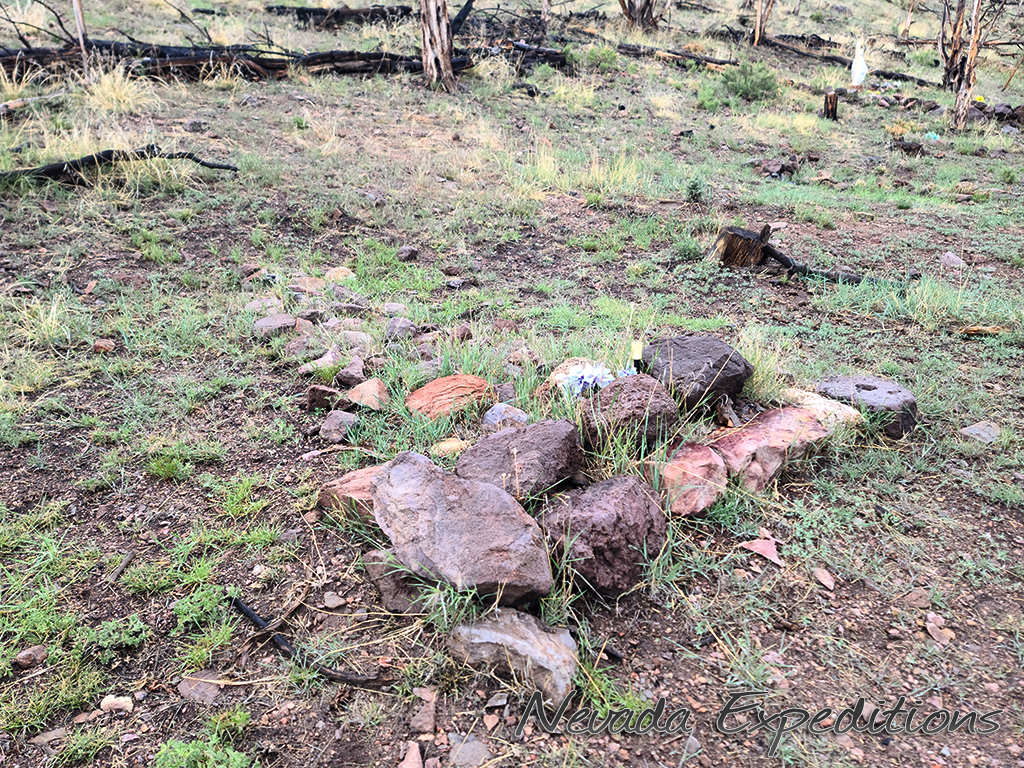
Fay peaked during its early years, with a population of around 150, stores, barbershop, three saloons, meat market, and even services like a dentist, physician, judge, and sheriff. The Horseshoe Mill was enlarged to 100 tons in September 1901, and a daily stage connected the town to the railroad at Modena, Utah. About 1902, McCune removed from Fay to Peru to pursue new interests, and the Horseshoe operation was overtaken by G. Pray Smith. Smith re-equipped the mine and enlarged the mill at great expense, leading to extensive financial difficulties. The Horseshoe passed through other hands for the next few years, but most all production at Fay came to an end between 1911 and 1915. Numerous attempts at mining have occurred in the century since, but Fay was never revived and most of what was left of the town was destroyed by the Cottonwood Fire in 2014.