



Washington
[Not to be confused with Washington in Lyon or Storey Counties.]
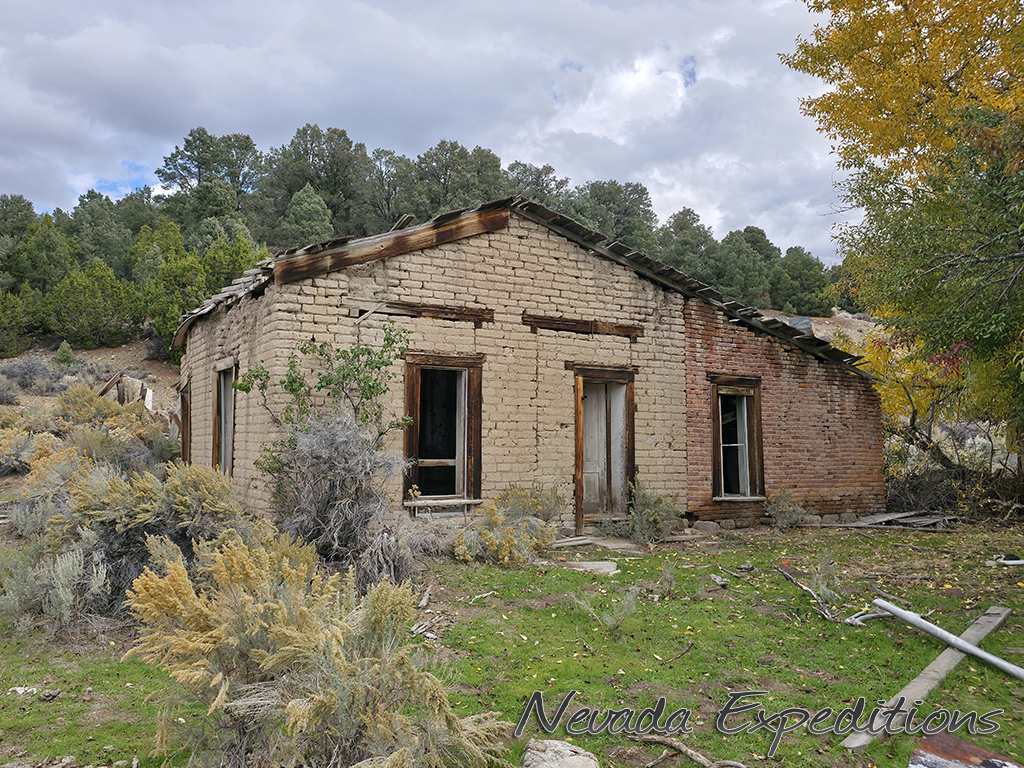
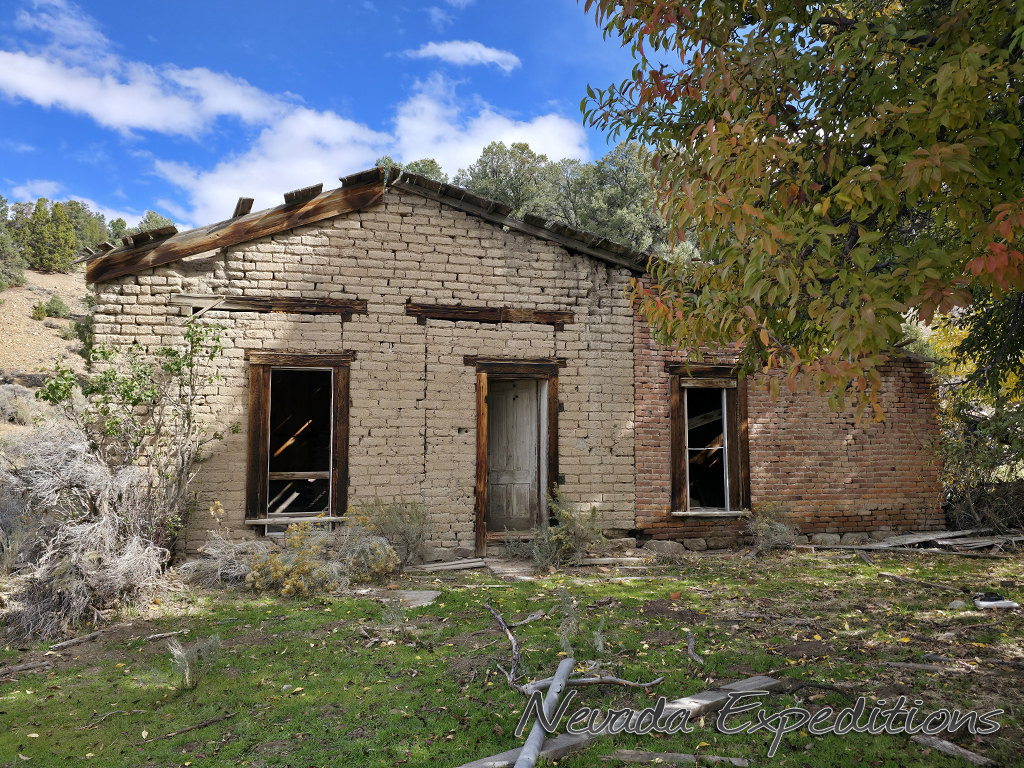
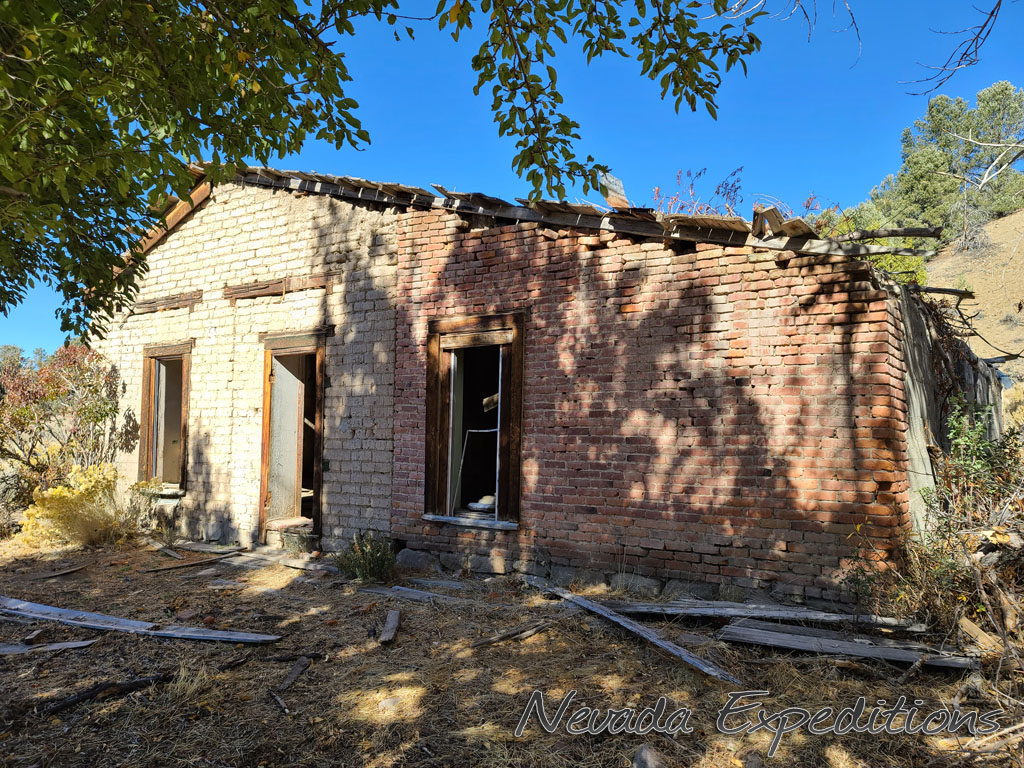
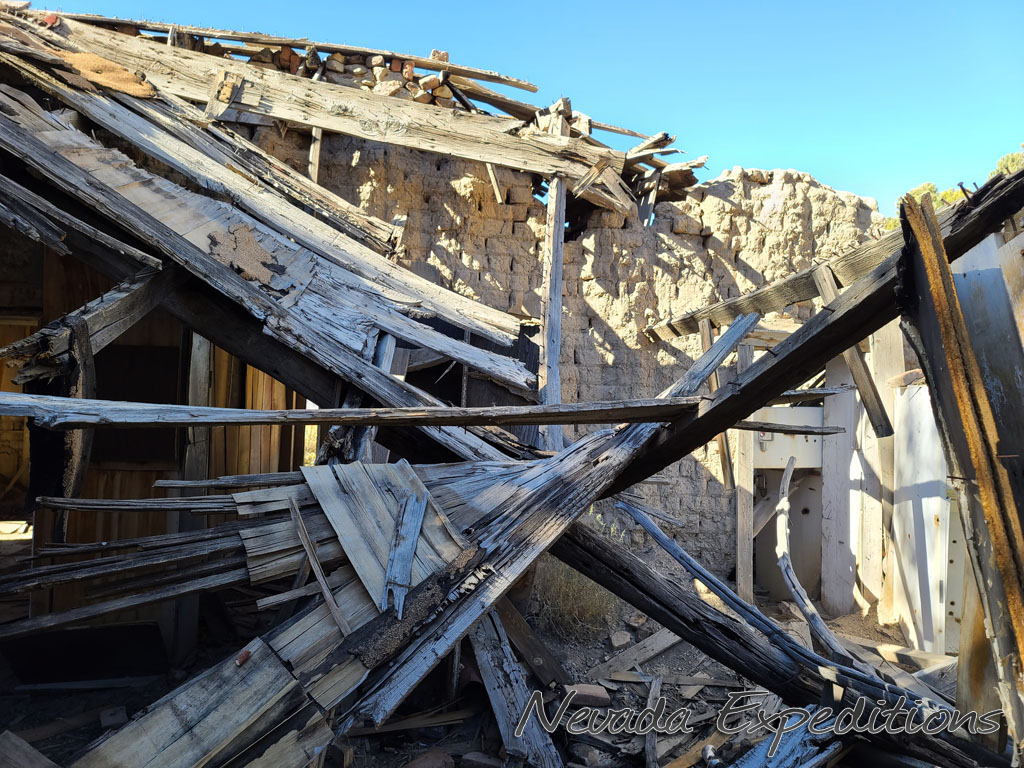
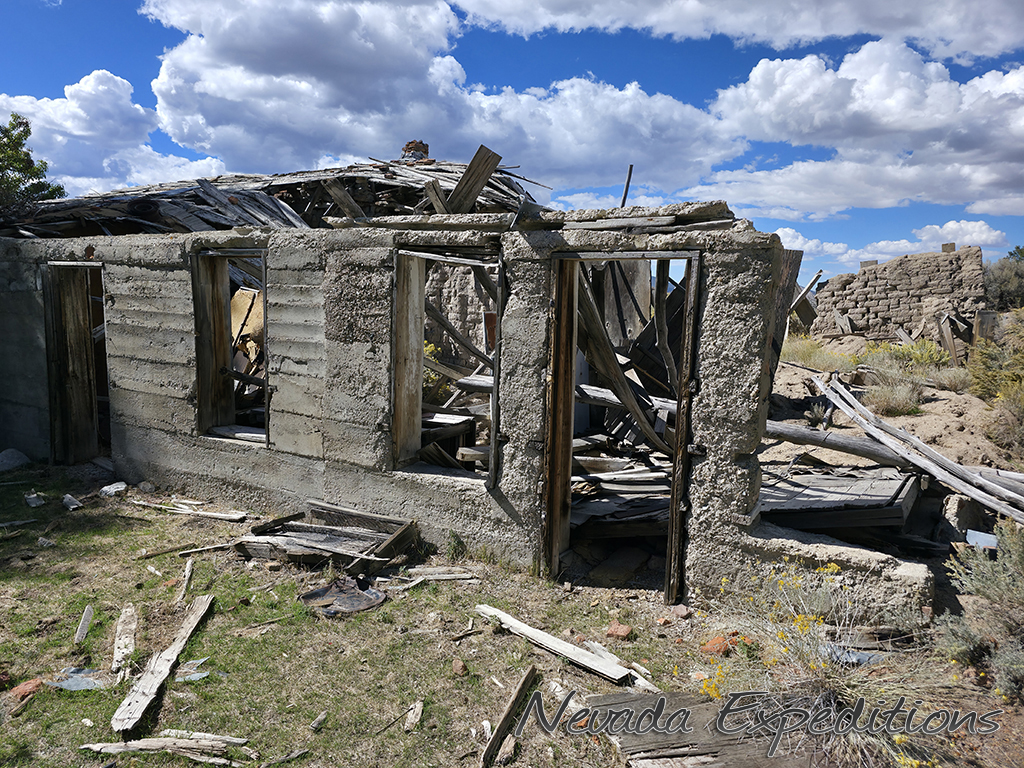
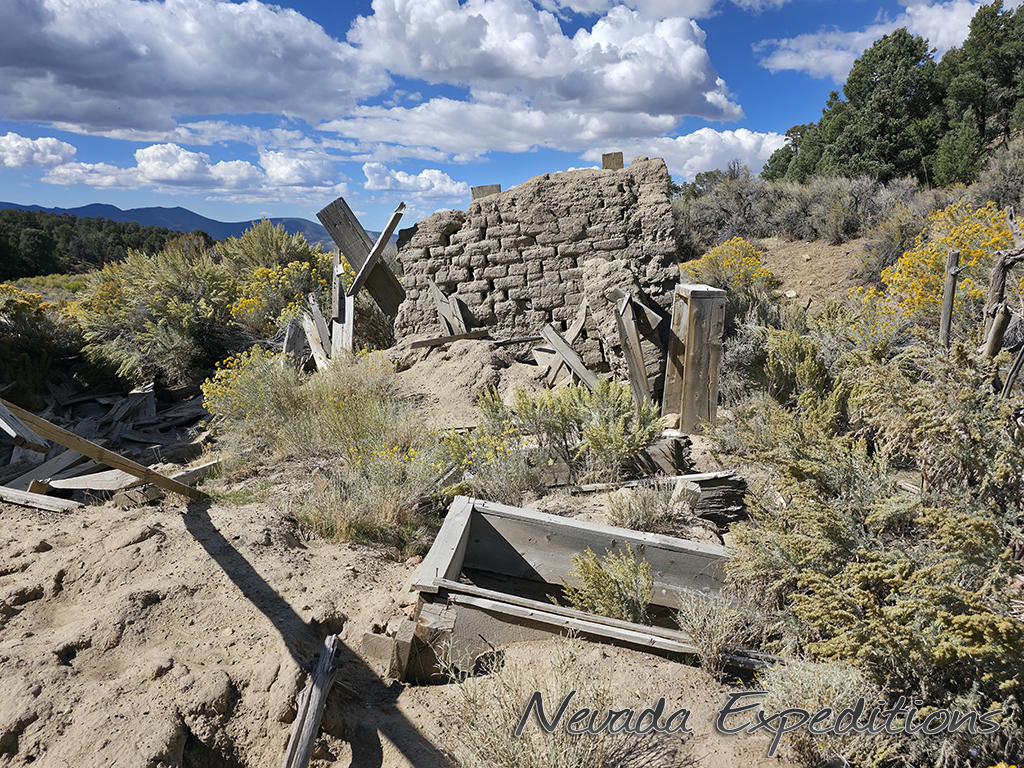
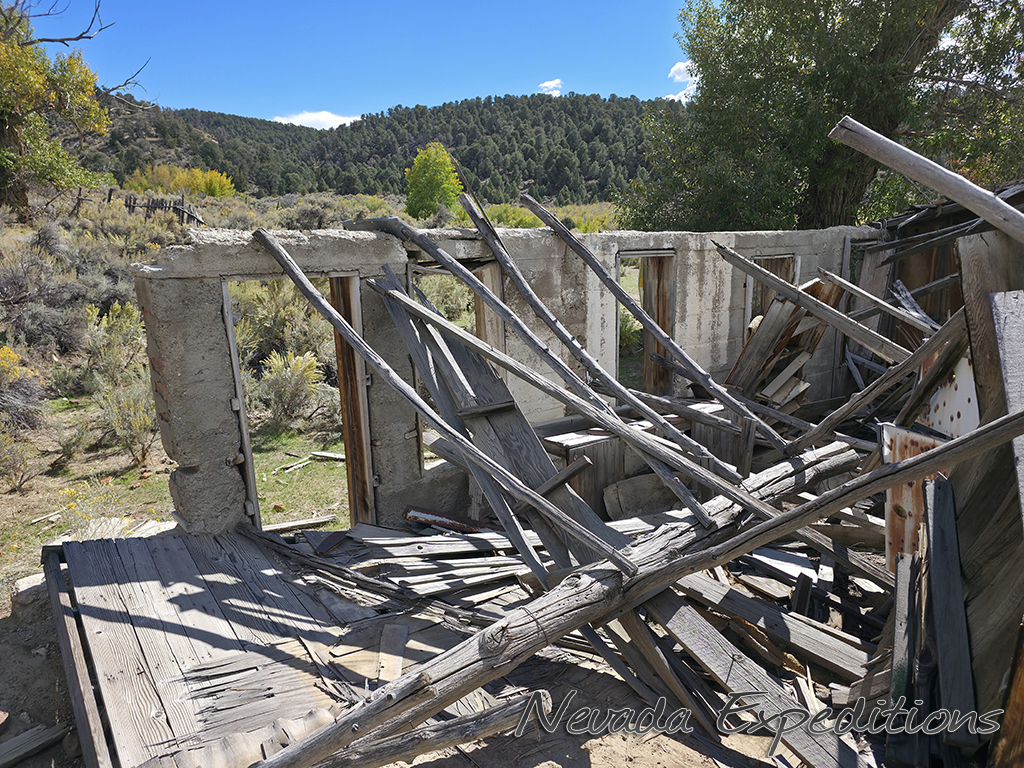
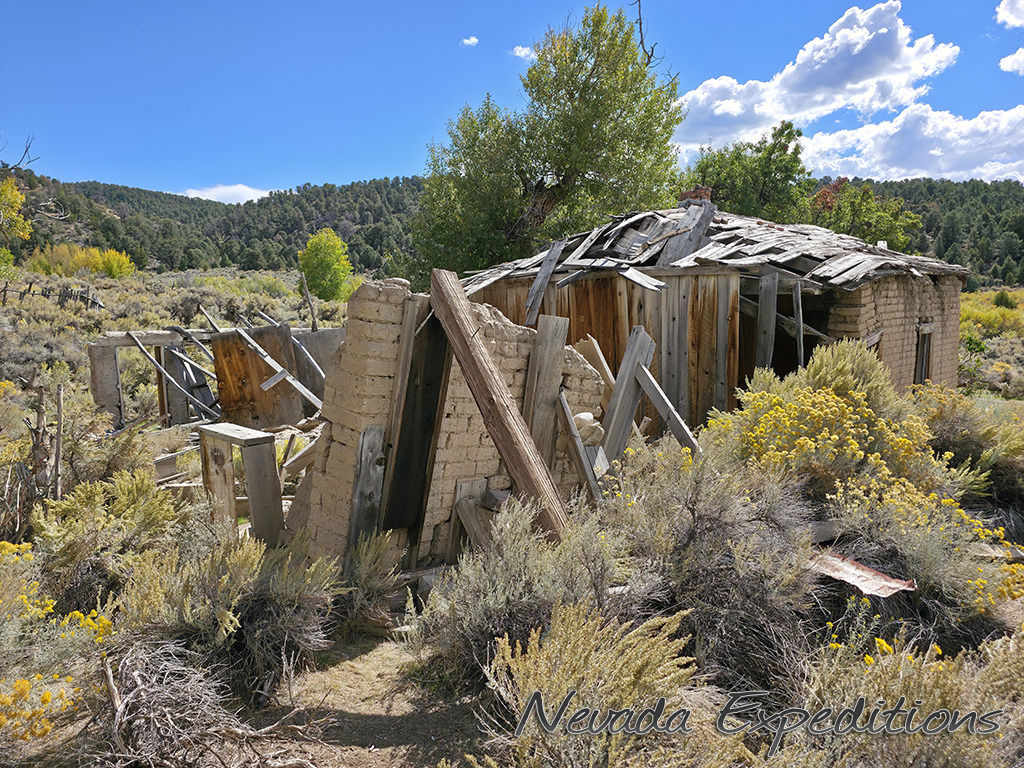
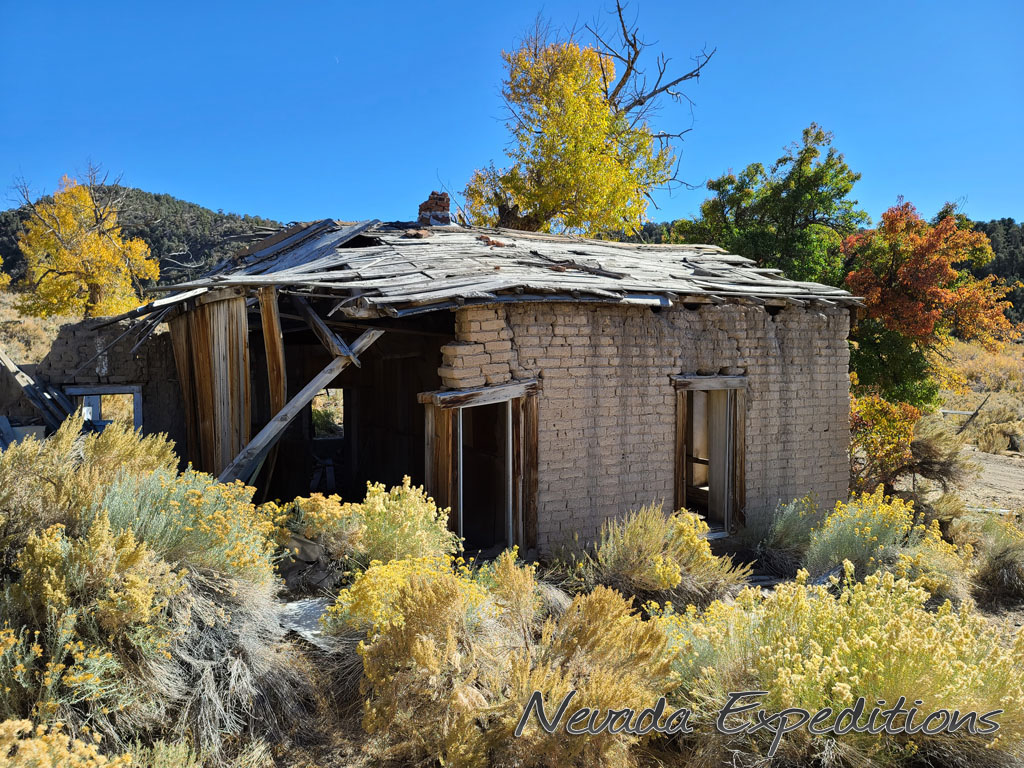
Silver discoveries by Mexicans as early as 1860 (if not before) led to the creation of the Washington Mining District and Washington townsite in 1863. The following year, the New Hope Mining Company installed a ten-stamp mill at a cost of $40,000. Daily stages connected Washington to Austin and Ione and soon the population reached 100 with three saloons, a hotel, restaurants, store and steam-powered sawmill. A second stamp mill was completed in 1868, but the boom didn't last and by the end of the 1860s many moved on to the new finds at White Pine. Unlike most of Nevada's boom-and-bust camps, however, Washington held on due to fertile ground as an agricultural hamlet and an abundance of trees led to the conversion of one old stamp mill to a sawmill. Small attempts at mining were made into the twentieth century, but none were successful for any length of time.
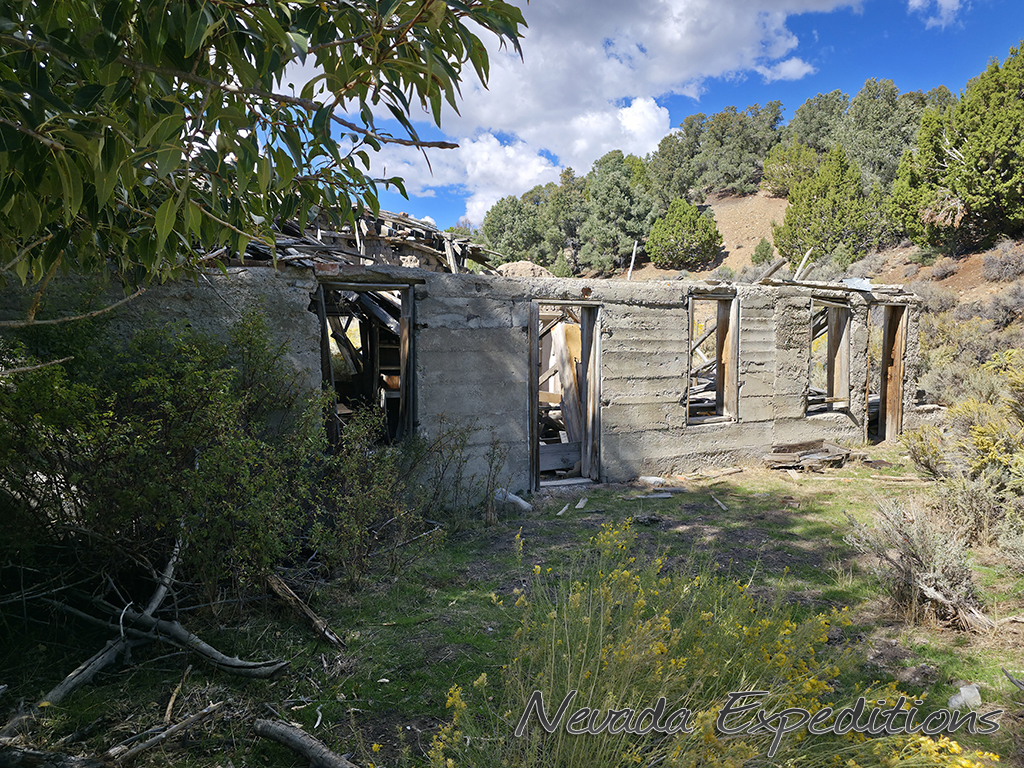
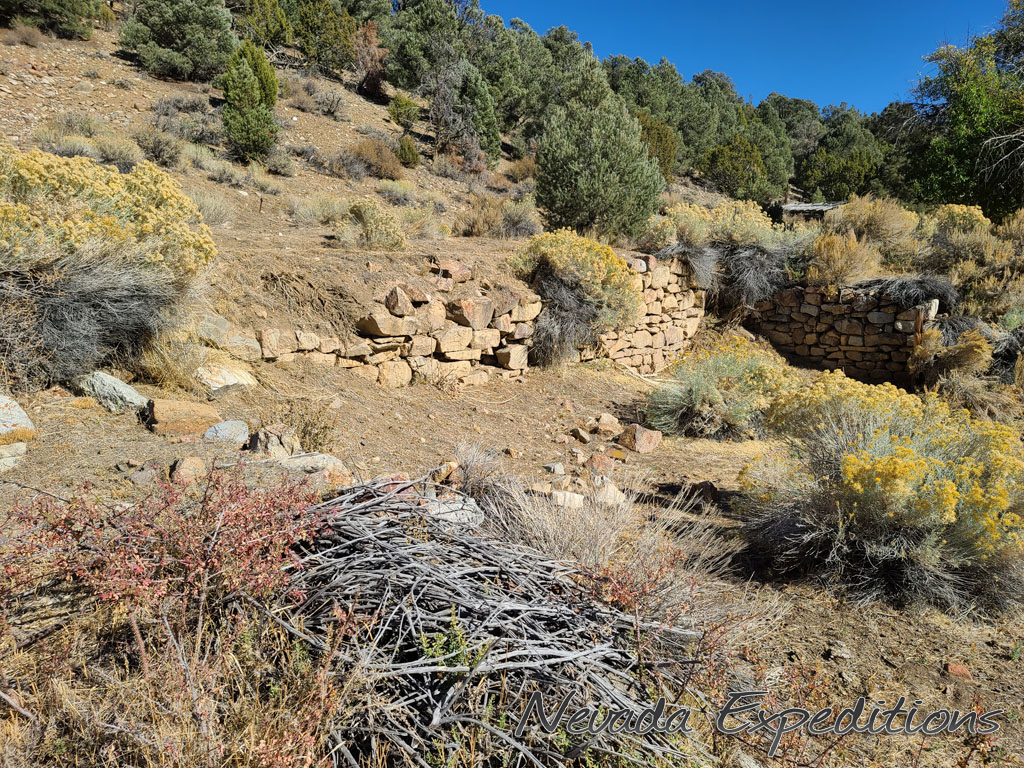
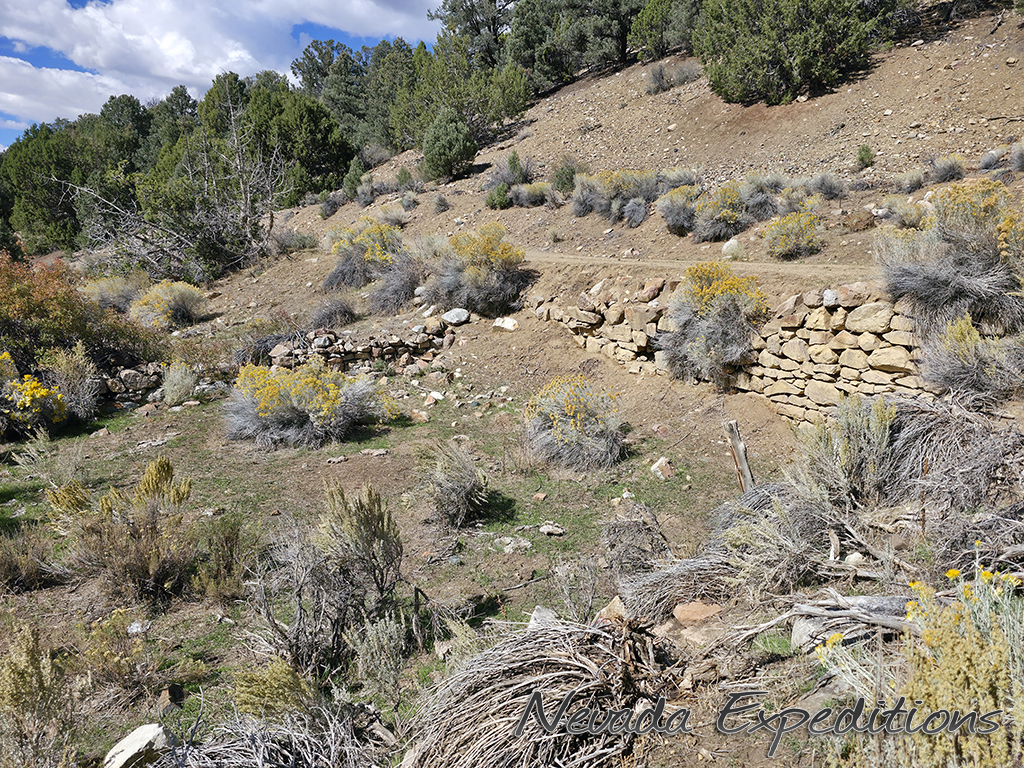
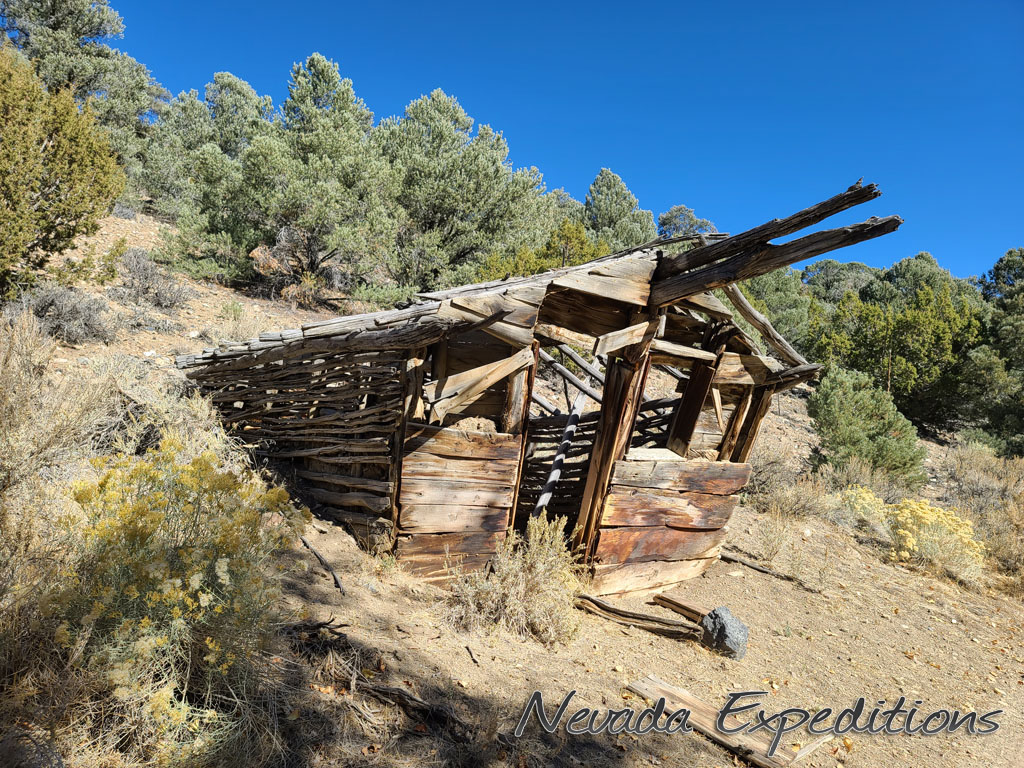
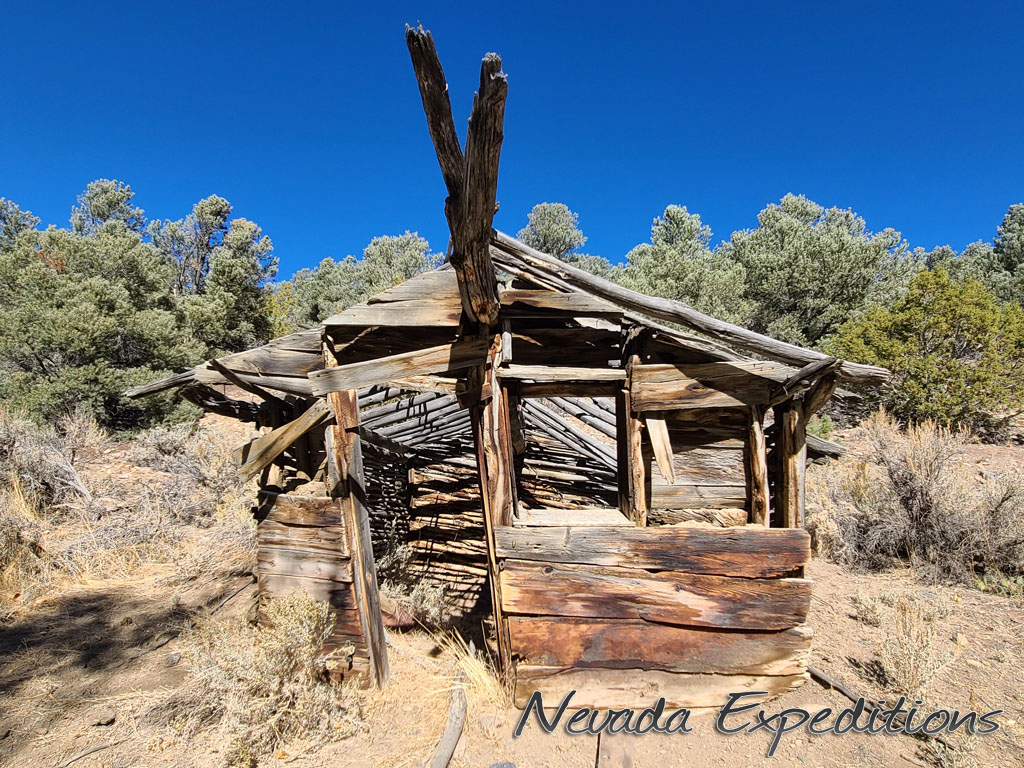
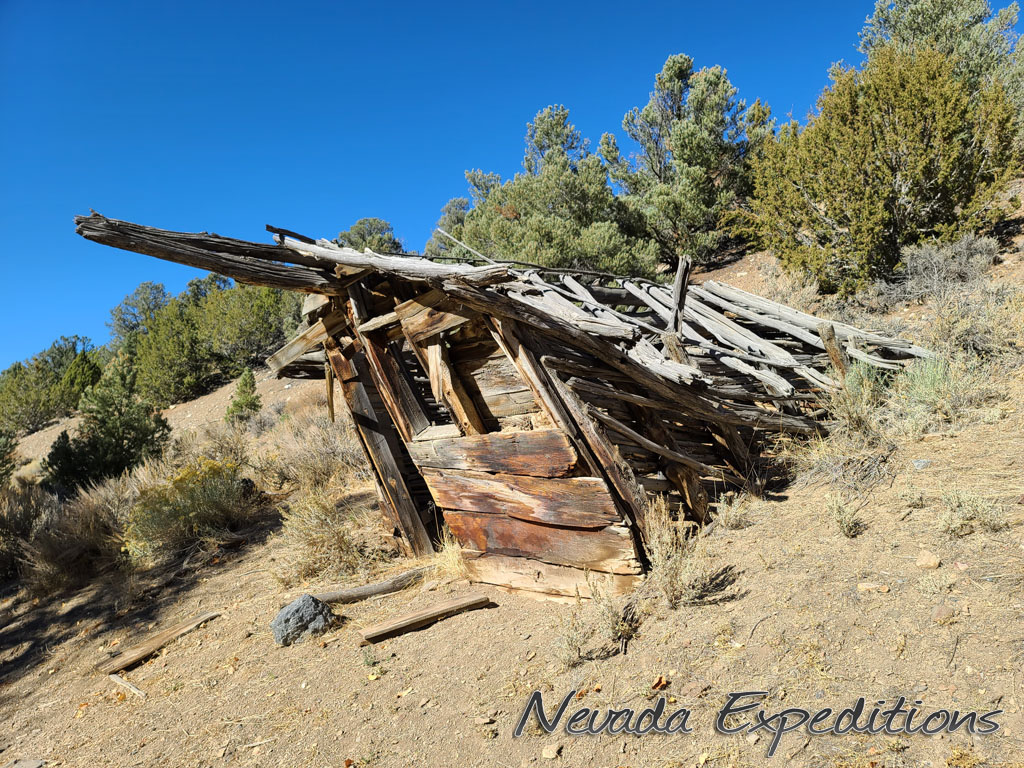
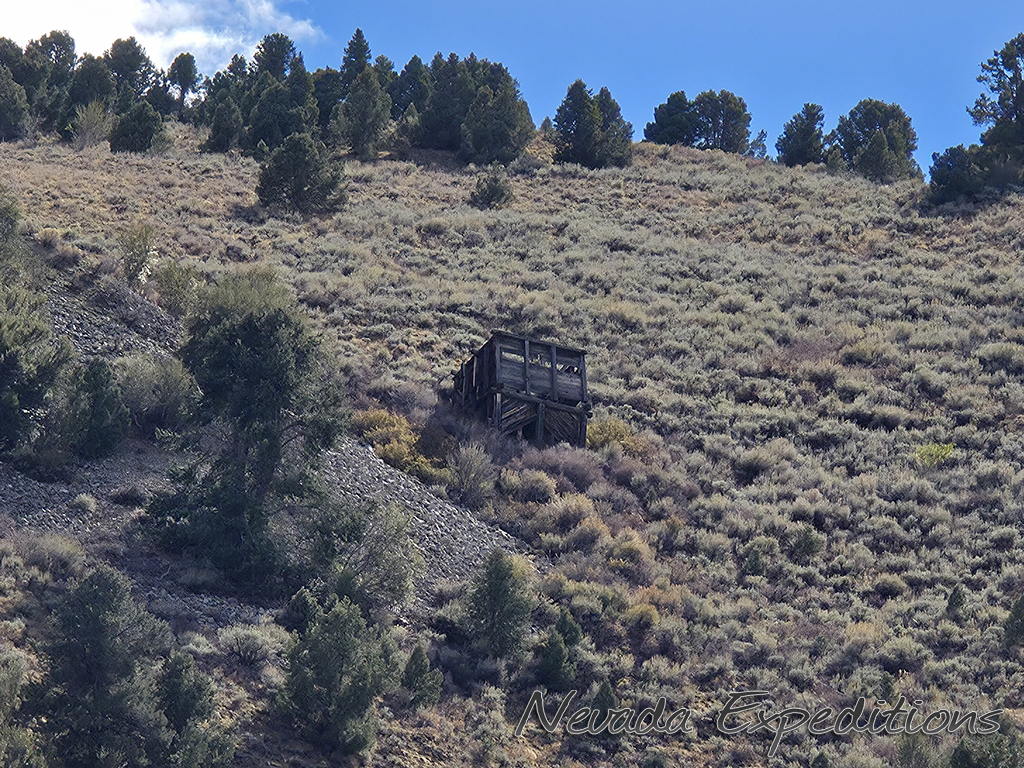
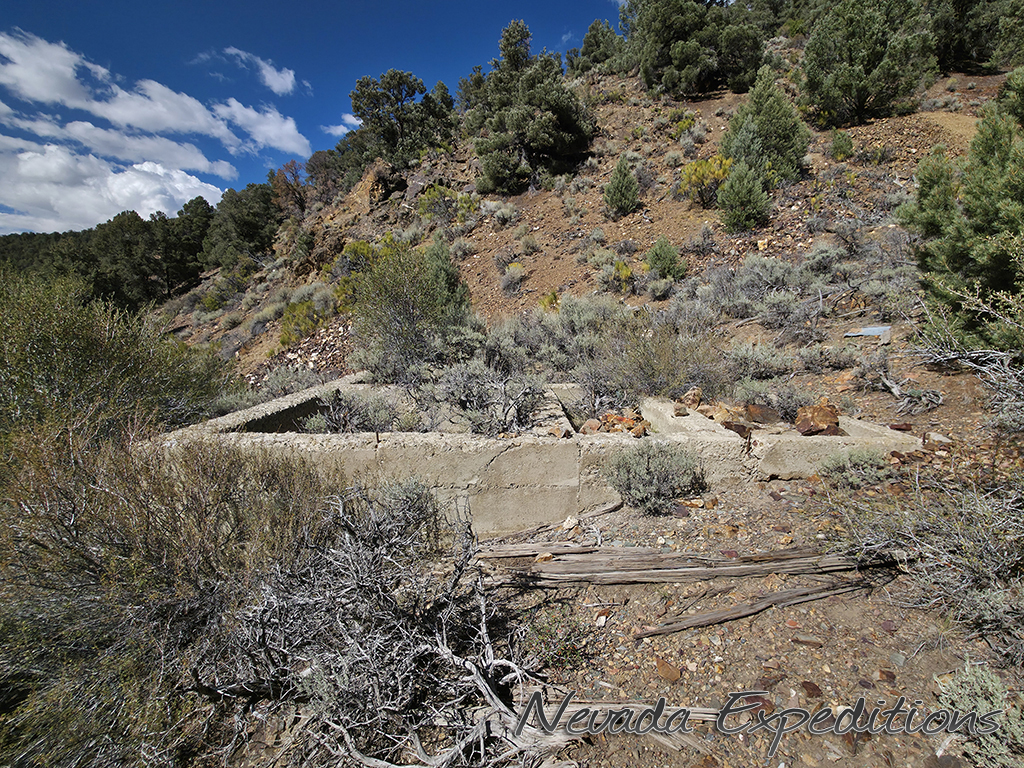
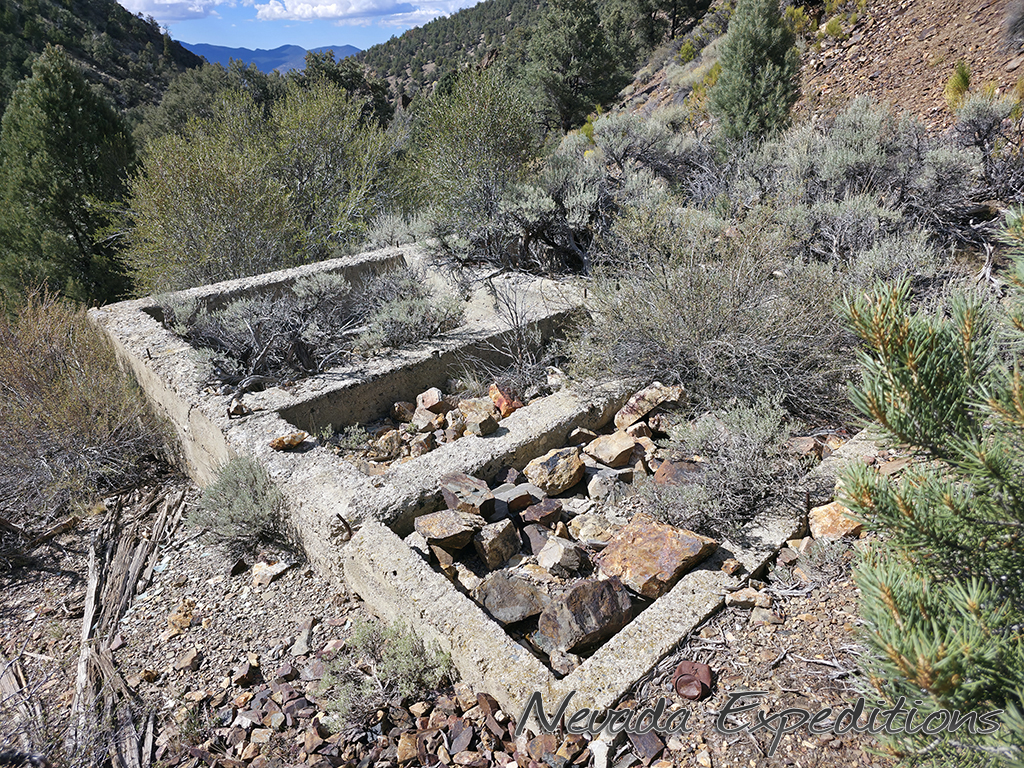
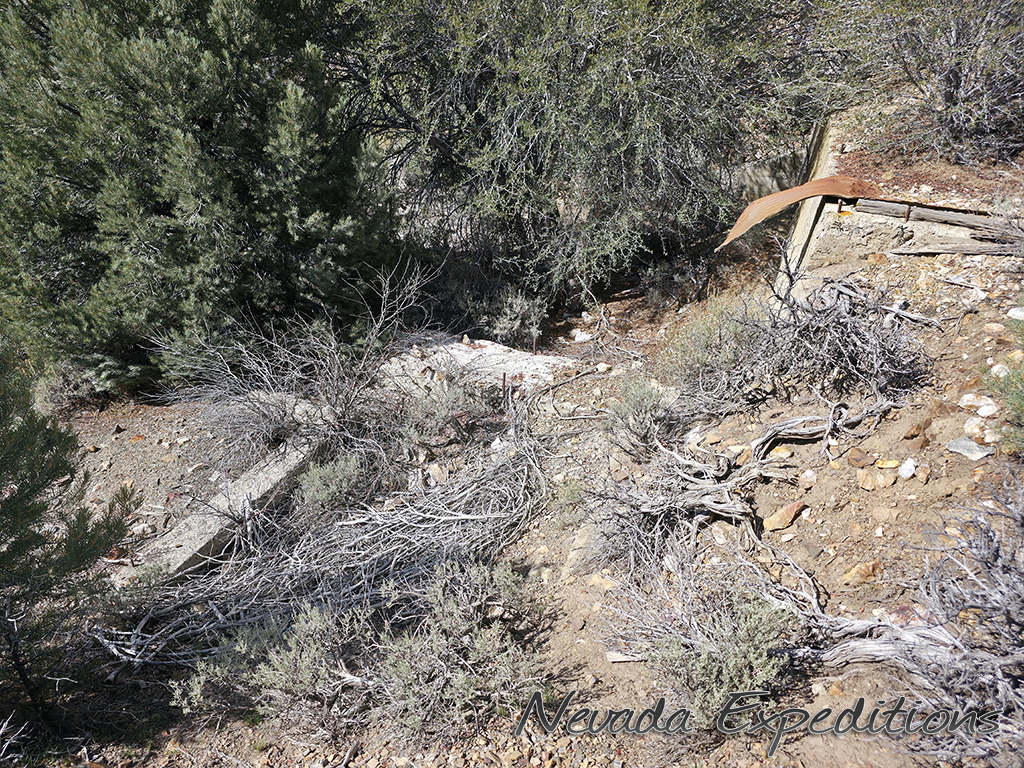
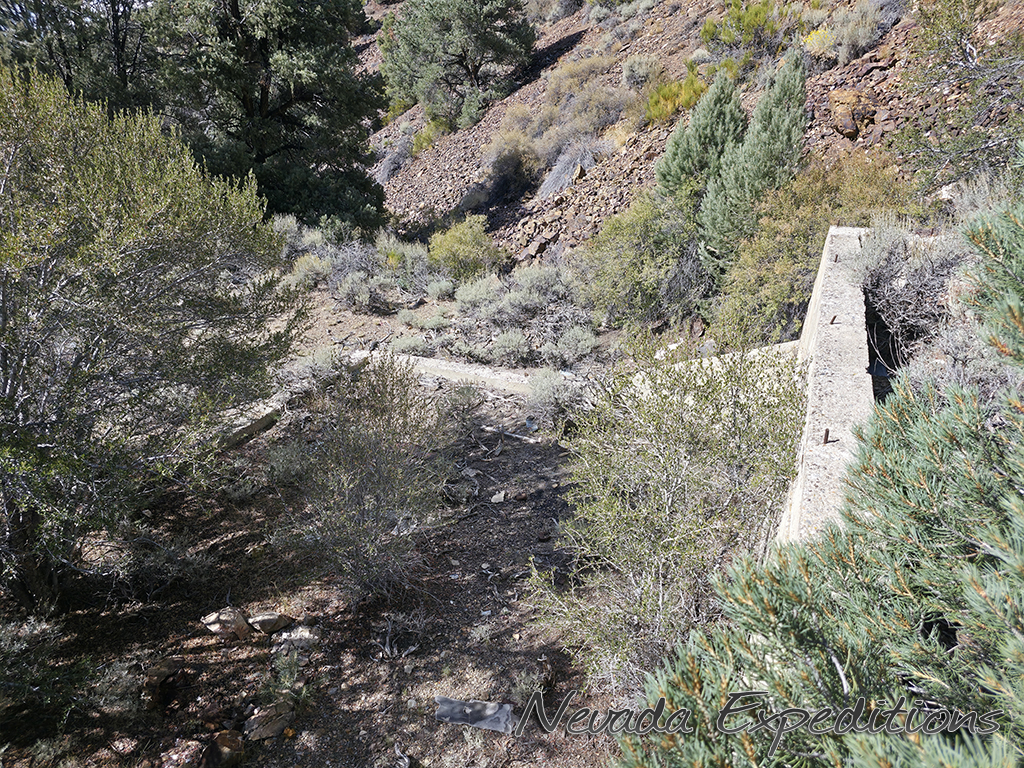
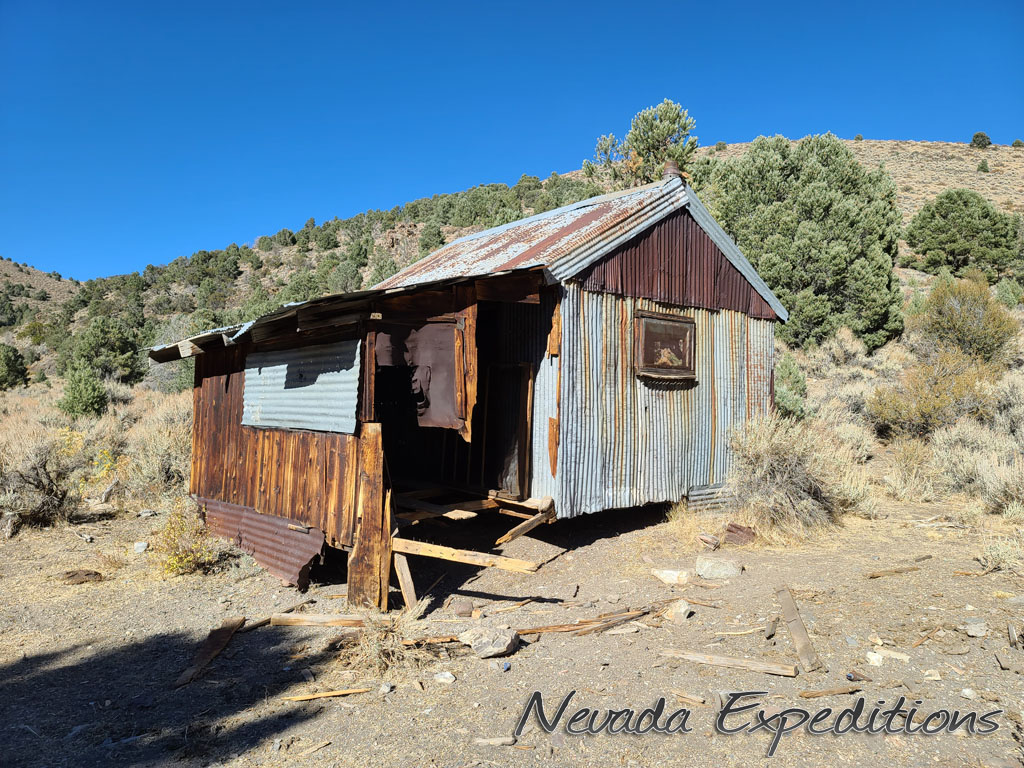
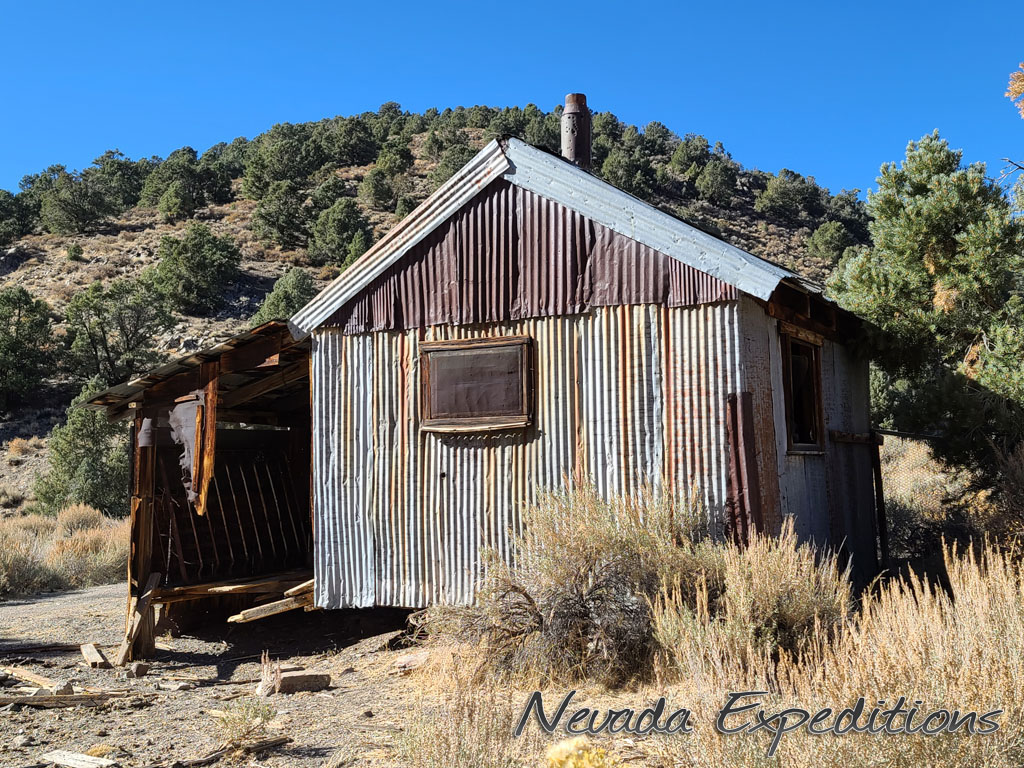
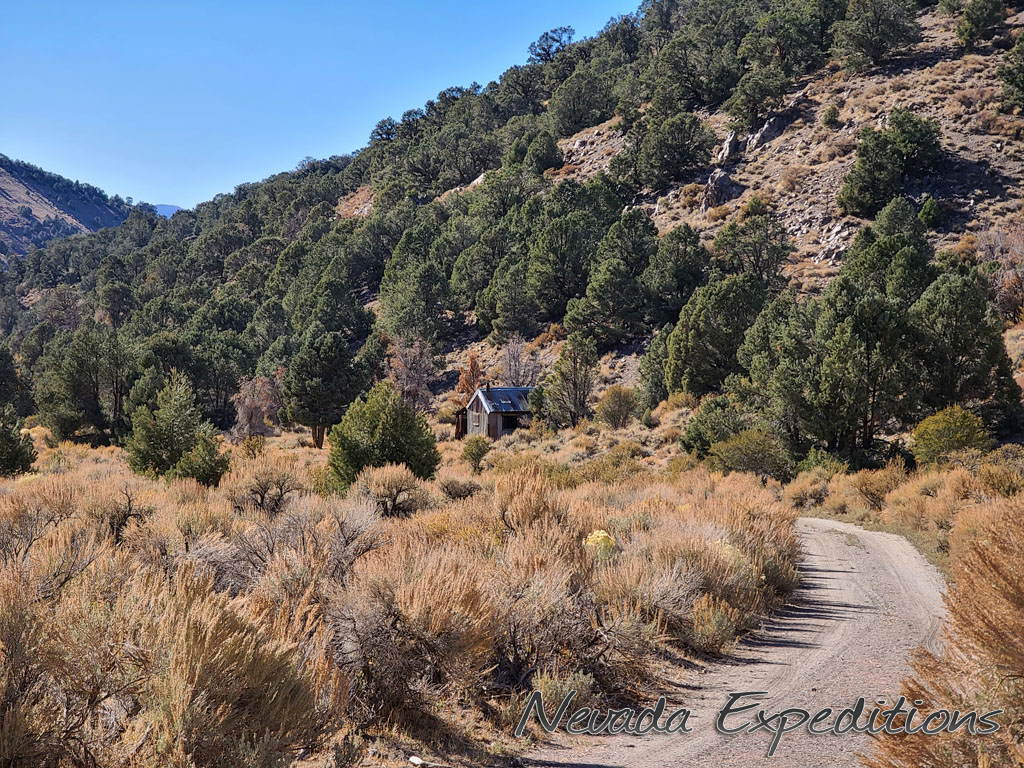
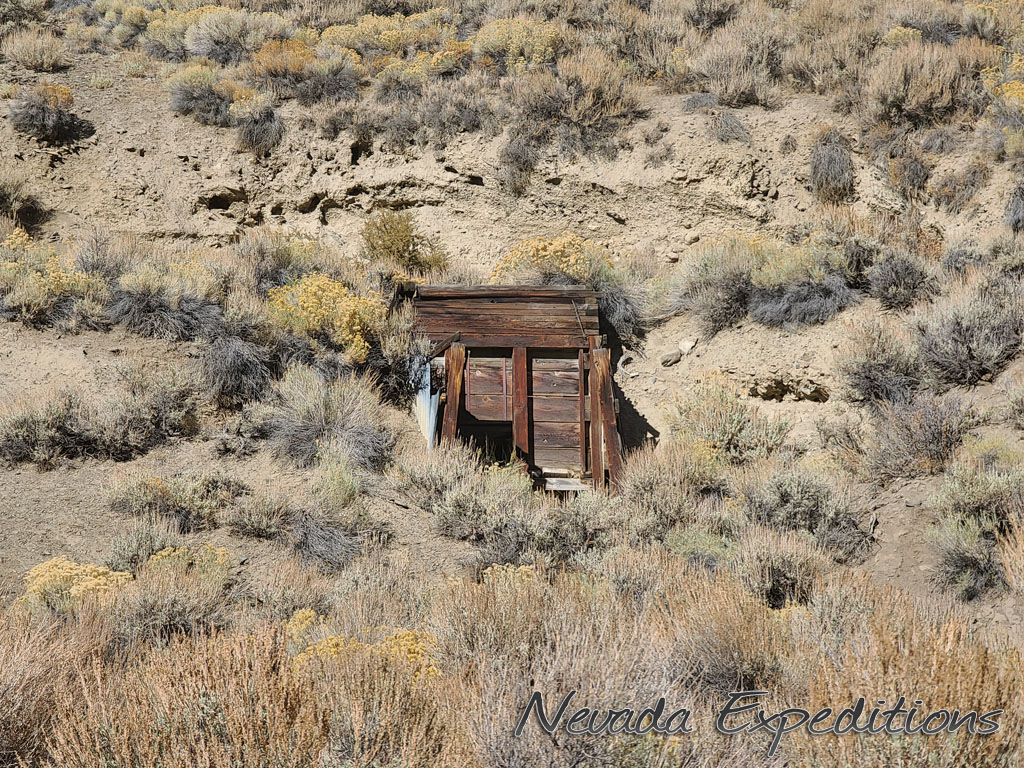
The first significant revival began in 1918, when Mrs. Rose Warner began shipping some ore from the old New Hope property to mills in Austin. Discoveries assayed at $500/ton in 1920 led to increased development, and the Warner Mining & Milling Company was formed in 1922. A new 50-ton cyanide and concentration plant was erected, connected to the mine by a rehabilitated 1500-foot tramway built during the original boom. Financial difficulties led to the mill only operating for ten days before it was closed and ultimately dismantled. Tungsten operations existed from 1956 until 1957, but no lasting work has been done and only some remnants can be found.