



Big Creek
In early 1863, silver was located along Big Creek and the district so name was formed. Cañon or Canyon City was the first new mining camp to form, and before summer Mr. H.C. Merritt had in operation a daily wagon from Jacobsville. By the end of summer, Canyon City had a post office, homes of adobe and wood, the Overland Saloon, Babcock & Sidles' Blacksmith Shop, and a storehouse owned by J.C. Morse. Before the end of 1863, additional camps were laid out:
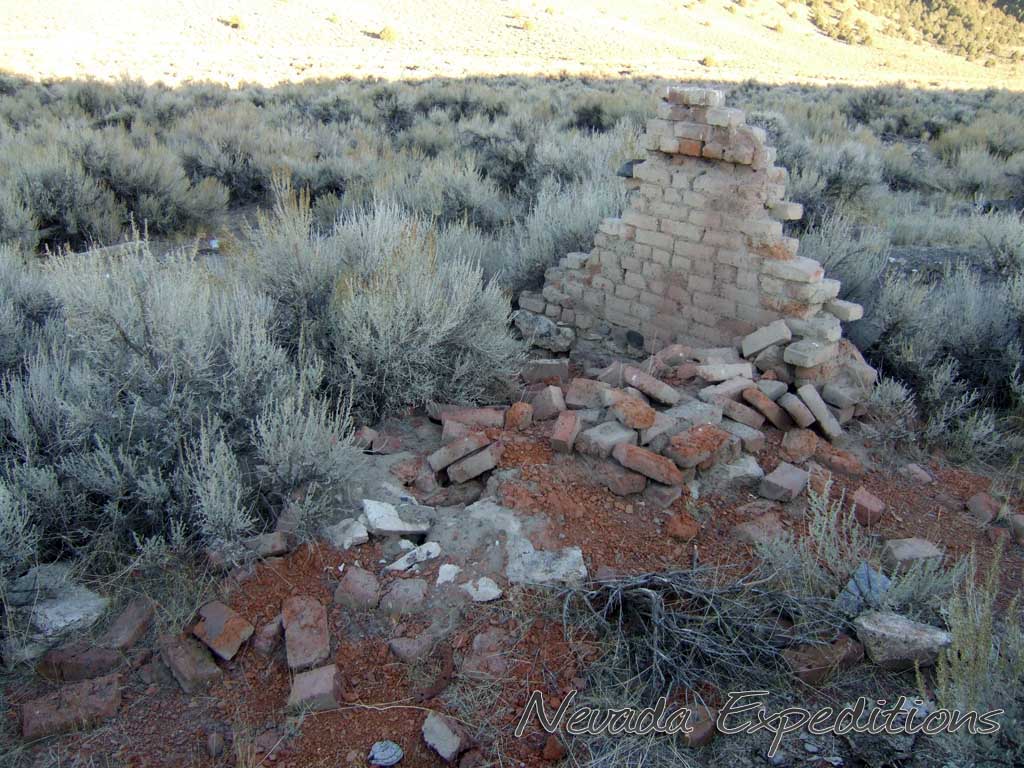
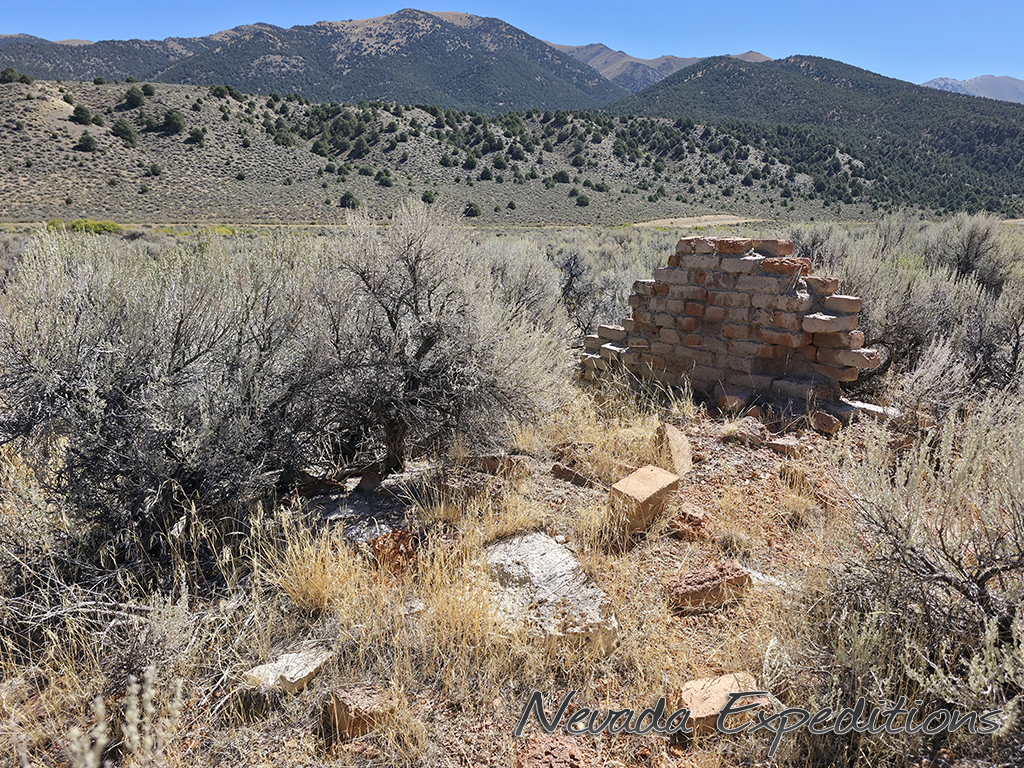
- Lander City was located by the Shoshone Silver Mining Company, stretching one mile along Big Creek below Canyon City. It had a mill by the end of 1863 (possibly that of A.G. Slaven and J.M. Tiernan), and in mid-1864 it was noted as having two fine brickyards.
- Watertown, laid out by D.E. Buel, adjoined Canyon City to the north and at the mouth of the canyon. Plans for the town included a 24-stamp mill.
- Montrose was located two miles above Canyon City, presumably near the mines of the Montrose Gold and Silver Mining Company.
- Mineral City and Middletown are mentioned in books by Shawn Hall and Stan Paher, but I have been unable to find any further references to them.
By the end of 1863, Canyon City was noted as having a new 10-stamp mill operated by Duff, Brett & Co., and two miles of Big Creek had been staked into lots with homes of wood and adobe going up. By 1865, an alleged 1600 people lived in Big Creek Canyon, which had numerous stone cabins and some twenty stores among other businesses. Additional mills built included the 10-stamp Eureka, Parrott (see below), 10-stamp Phelps, and 5-stamp Lippett. Unfortunately, the ore was laced with copper, making reduction difficult. In early 1866, mines began to dry up and by early 1867 had all closed; the Parrott Mill continued operation until it was lost to fire in September. By the time the post office closed in October, more than $500,000 had been produced at Big Creek.
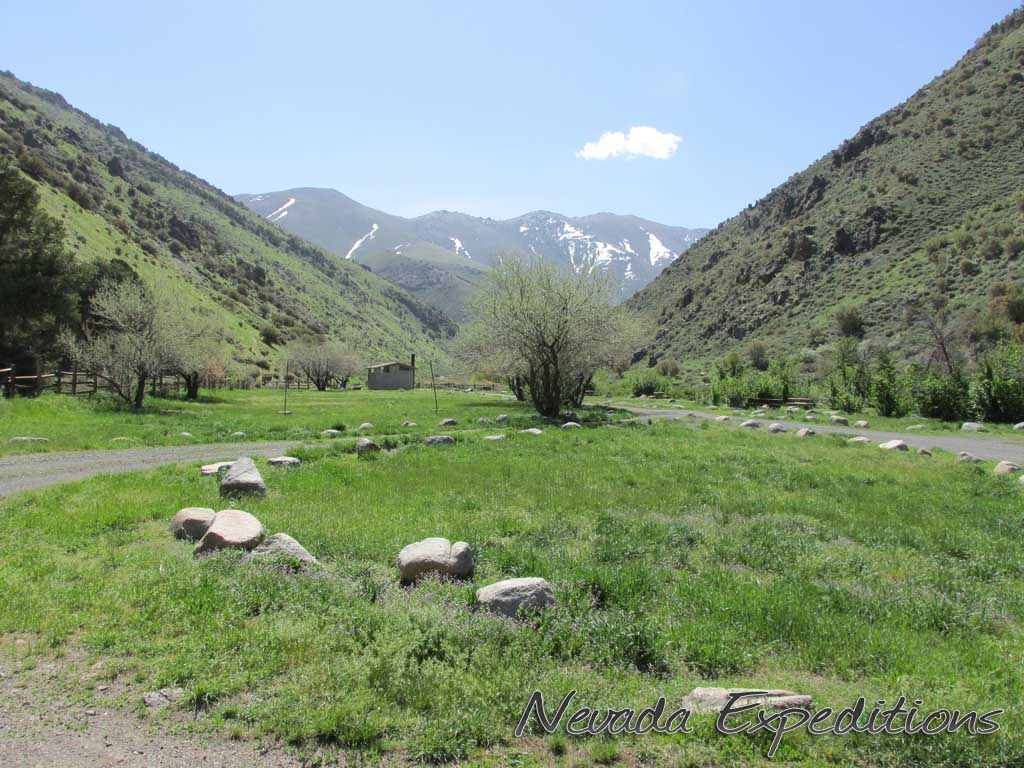
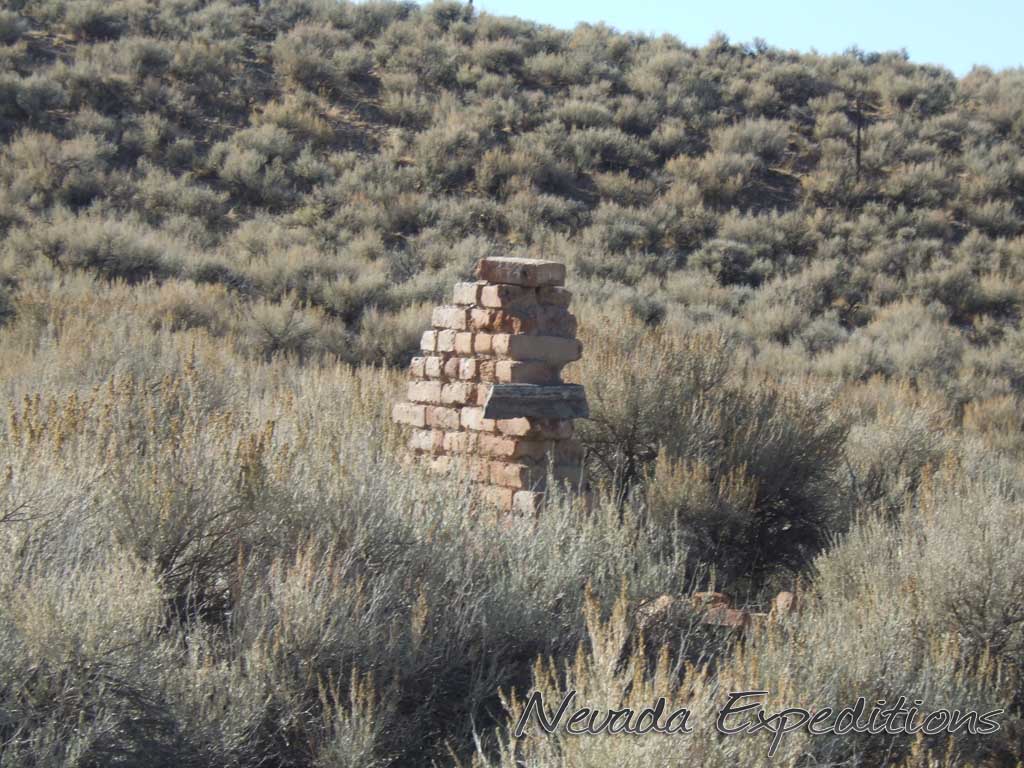
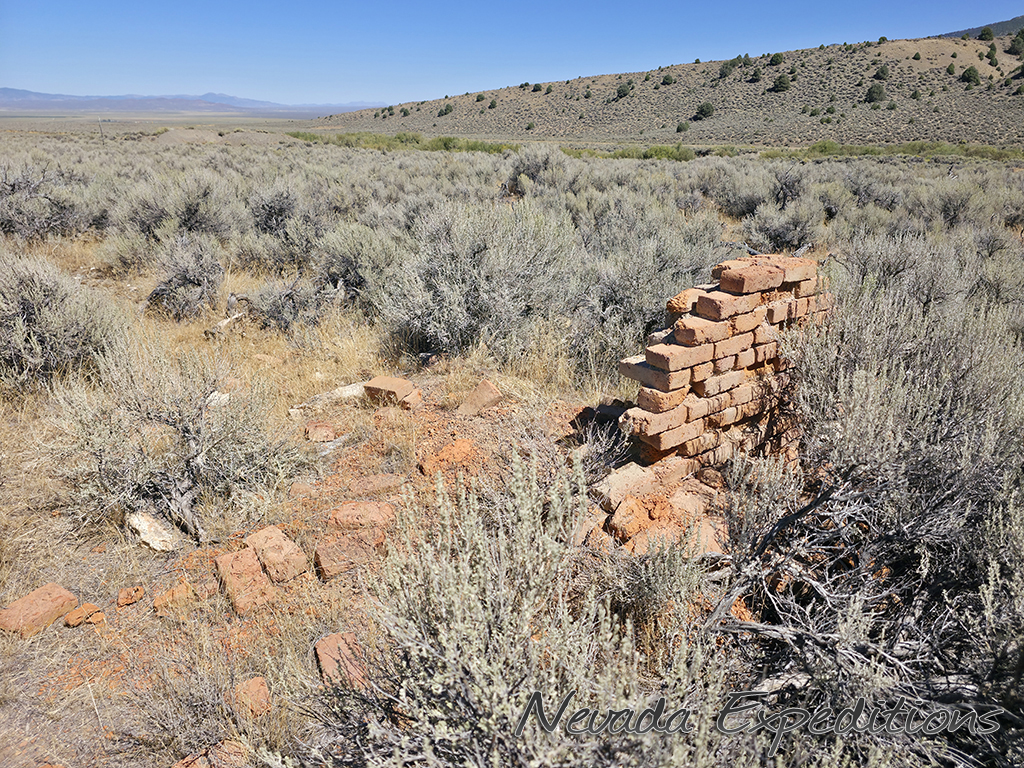
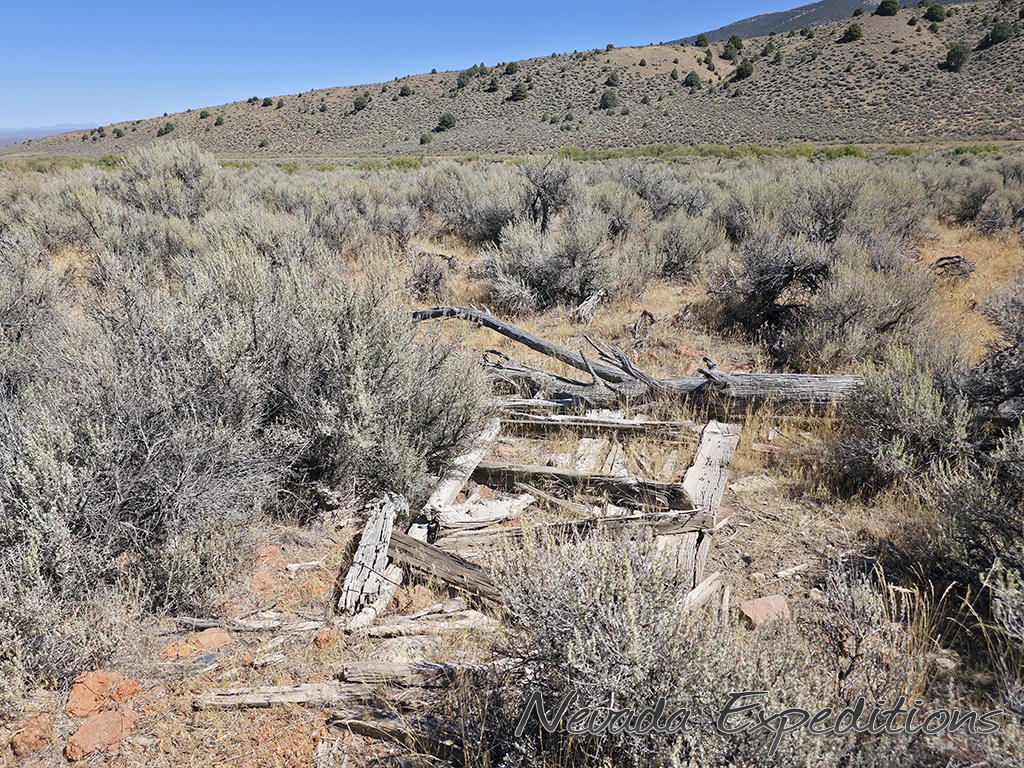
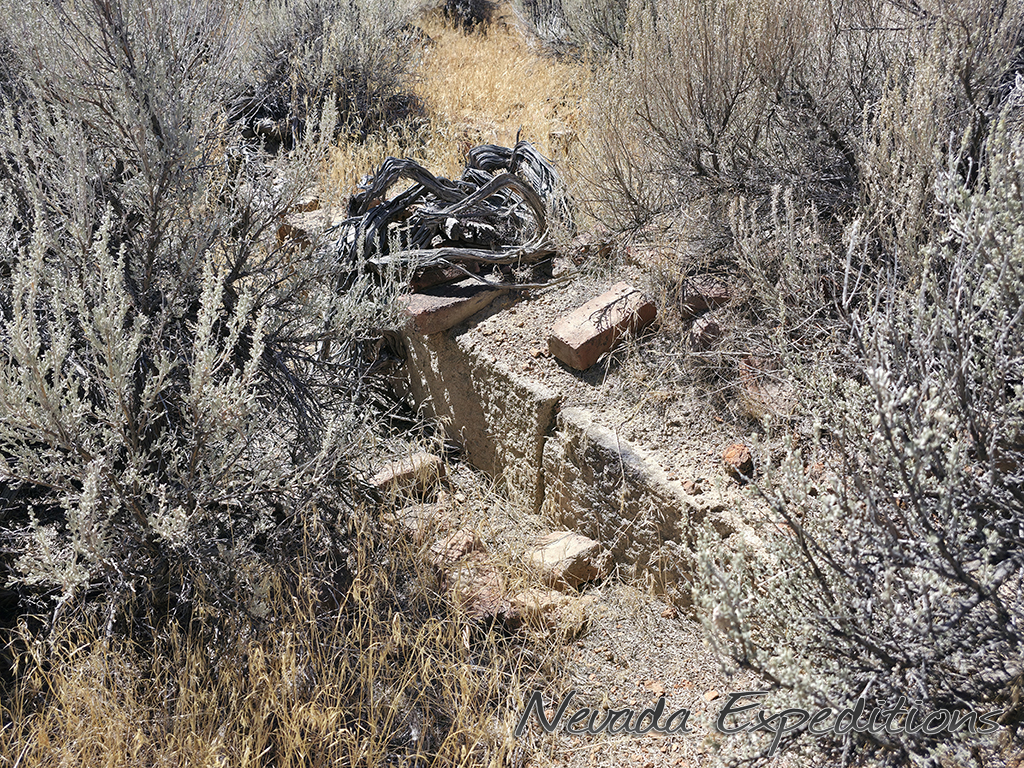
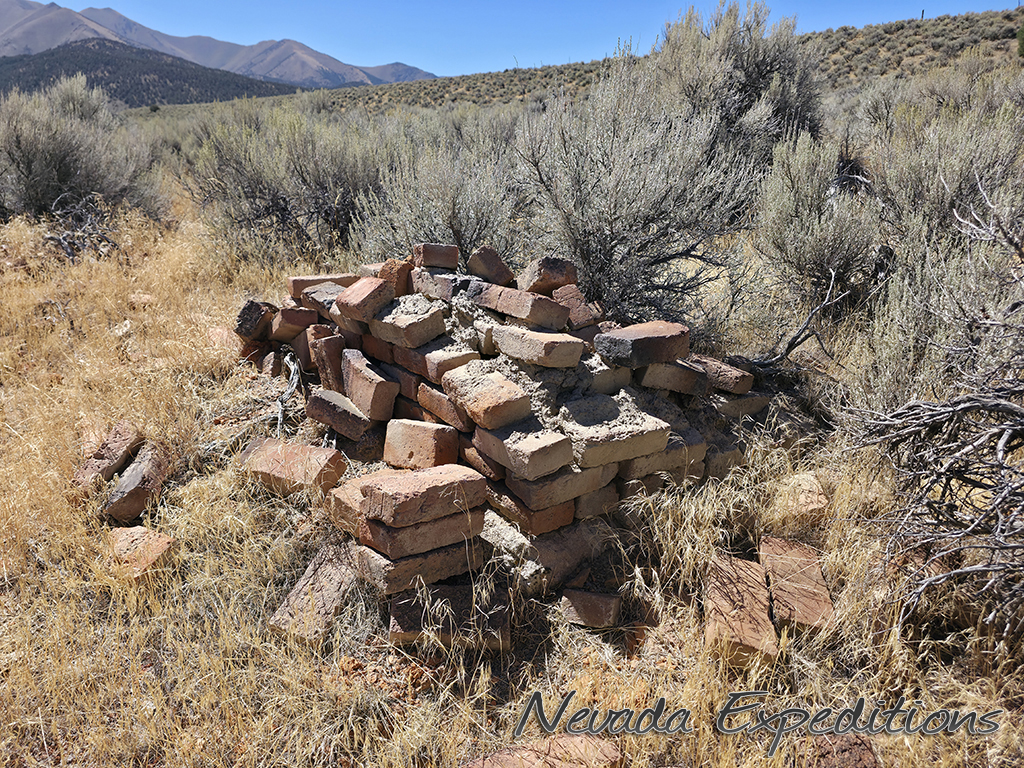
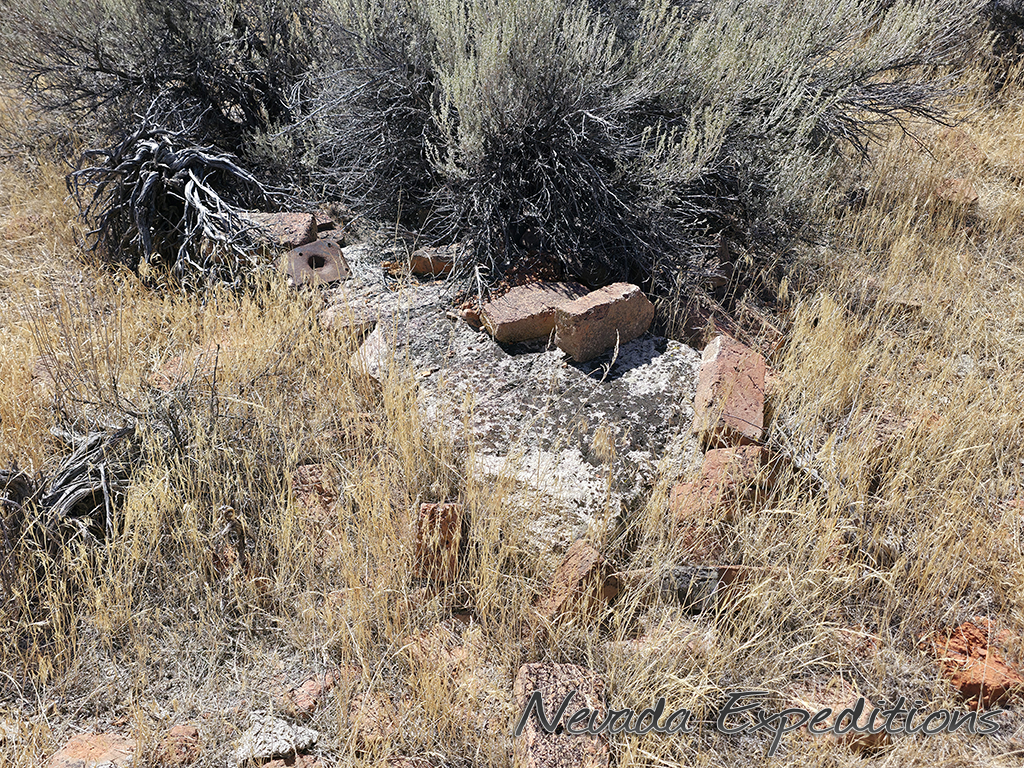
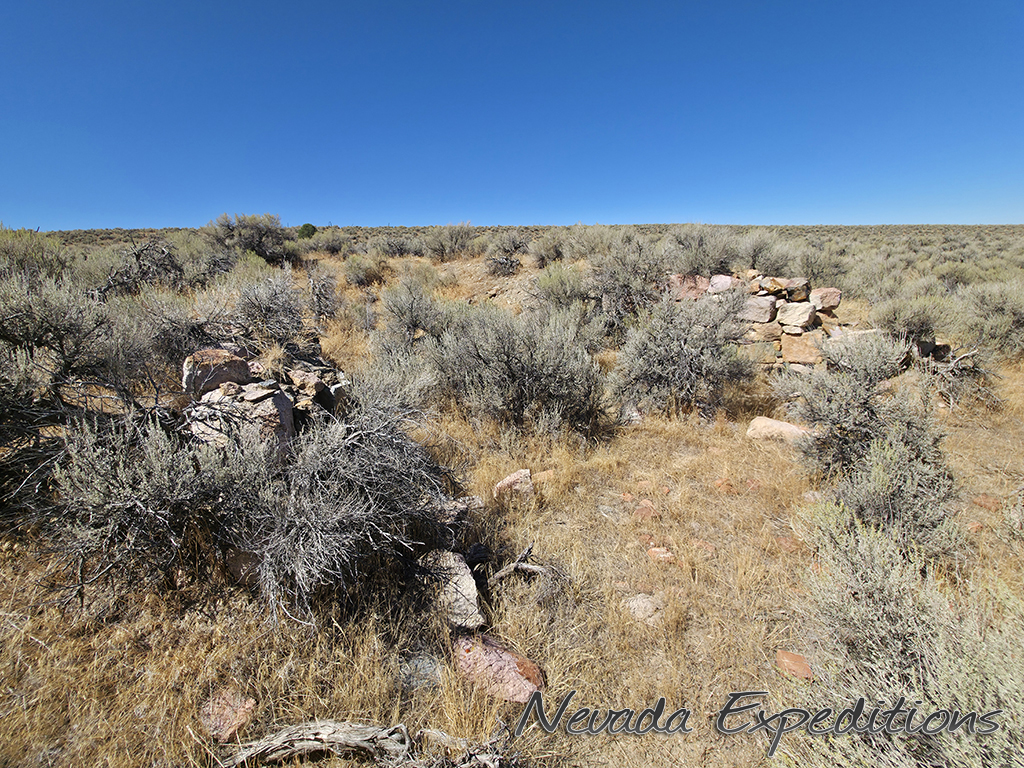
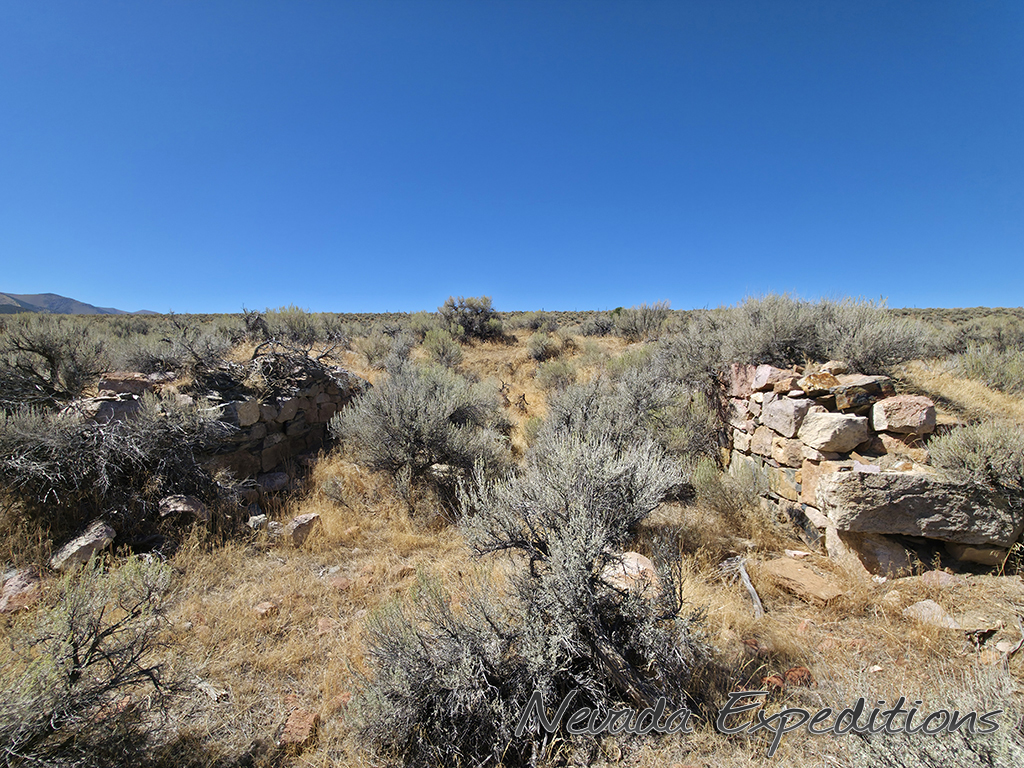
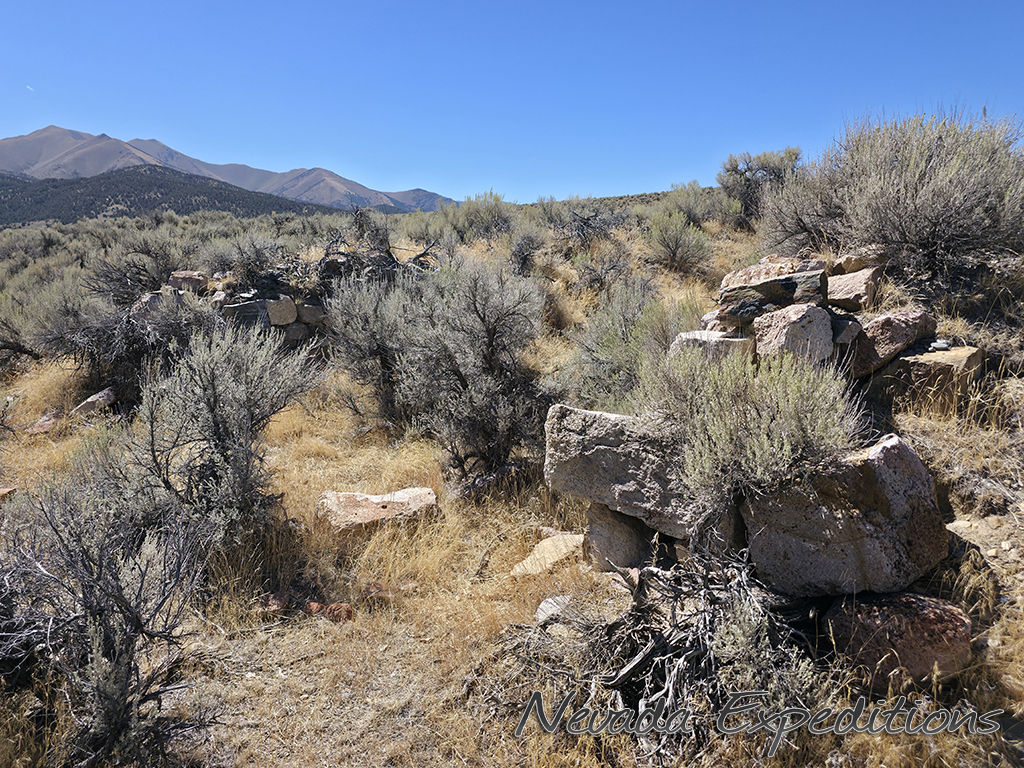
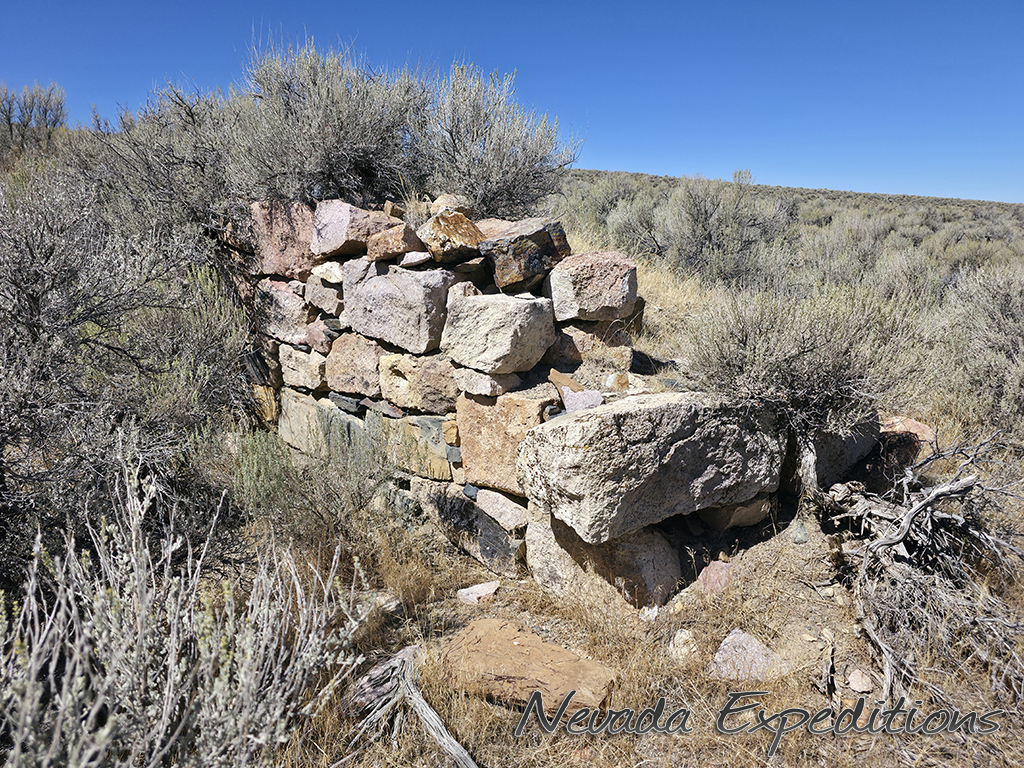
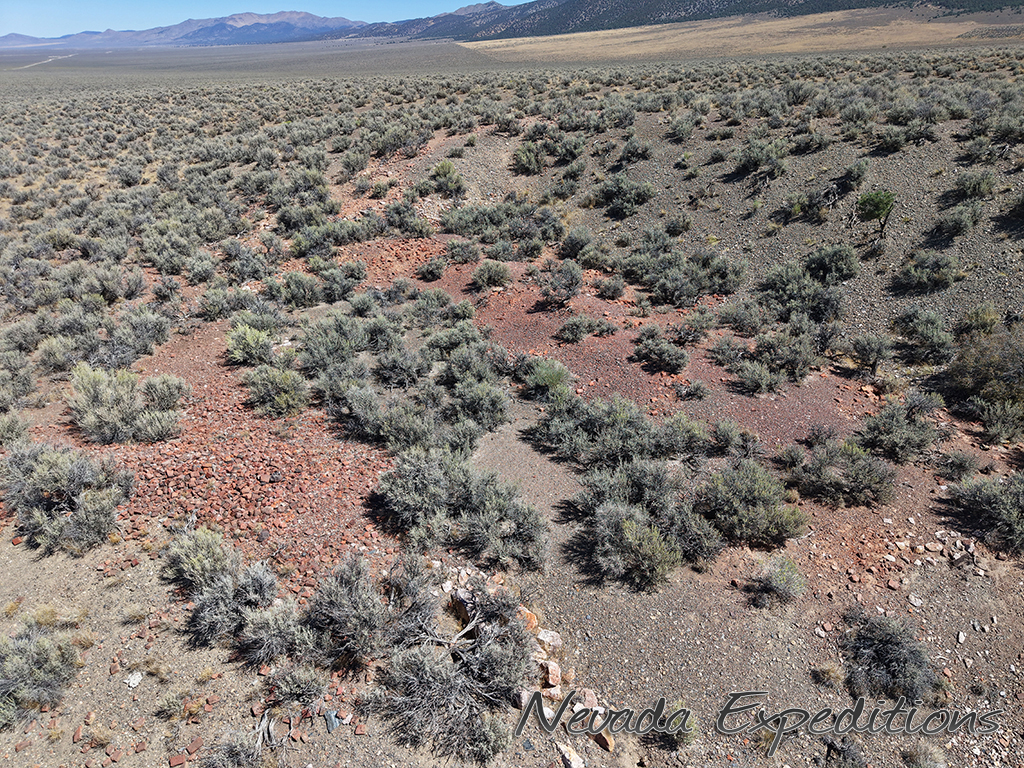
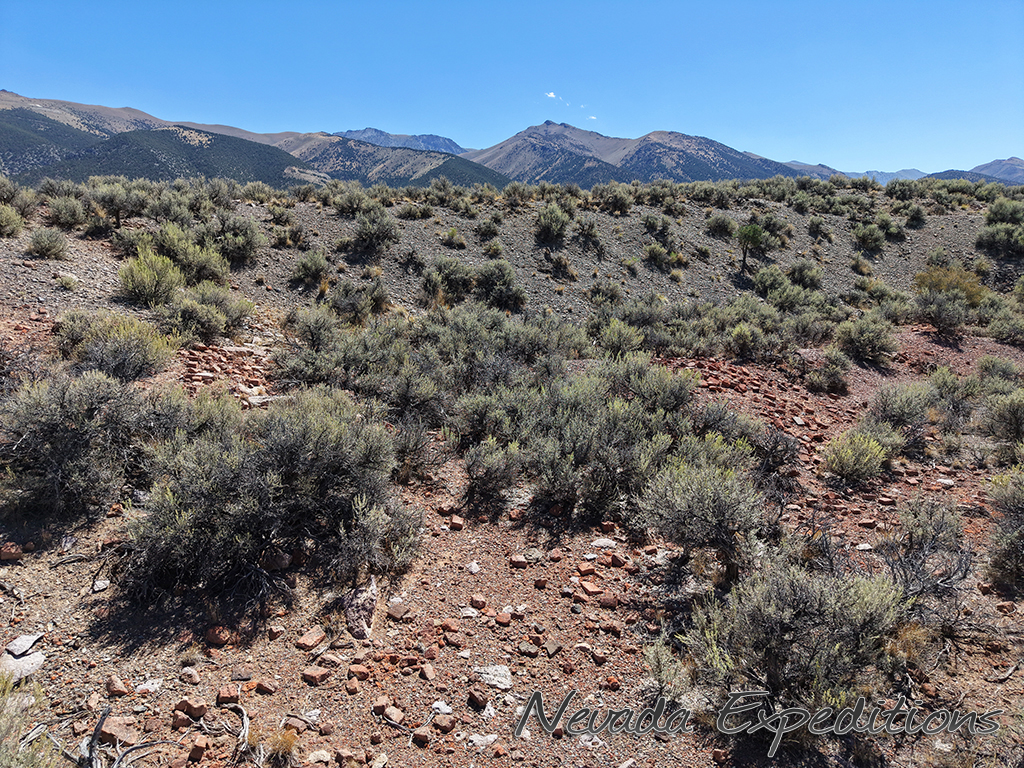
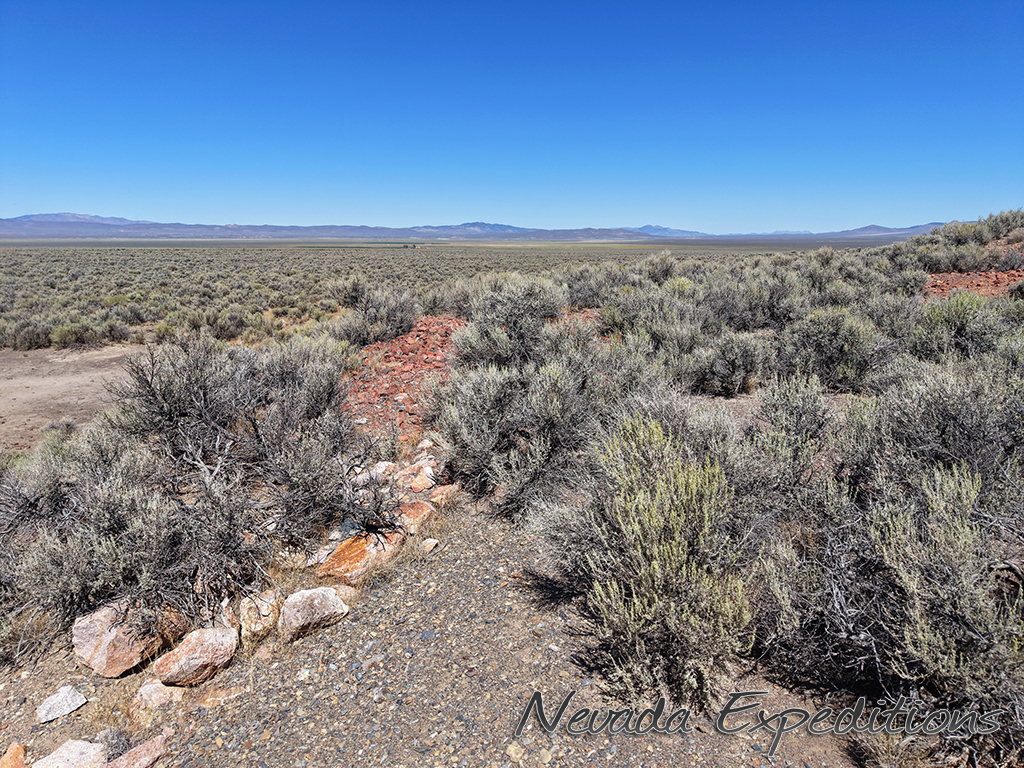
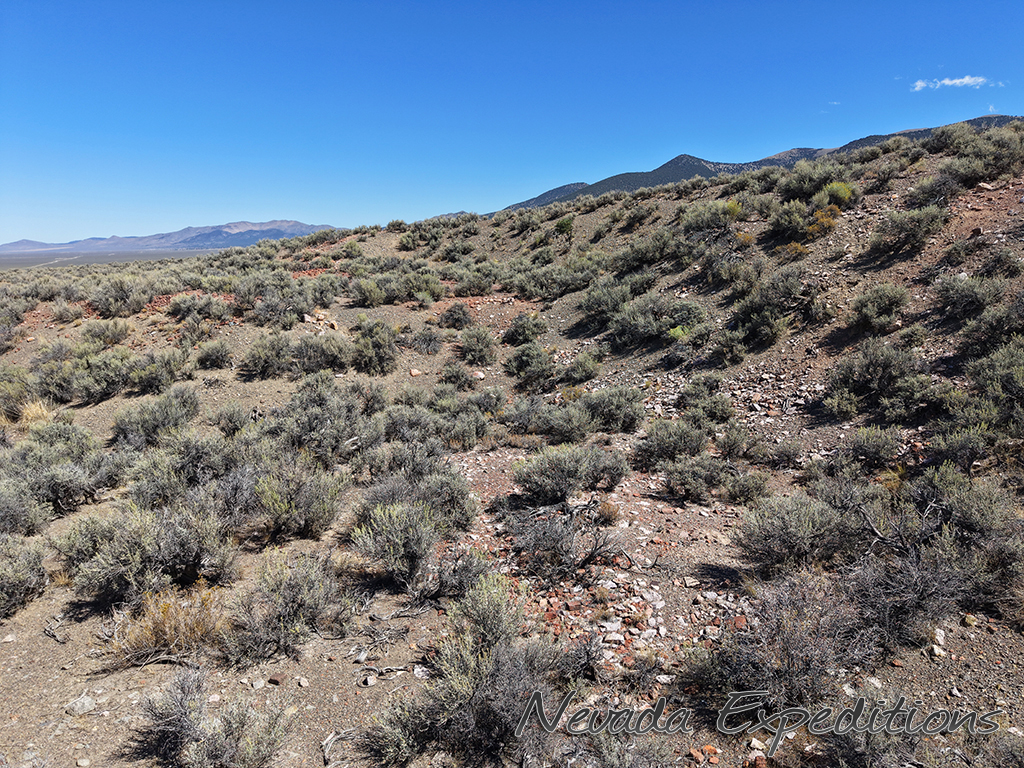
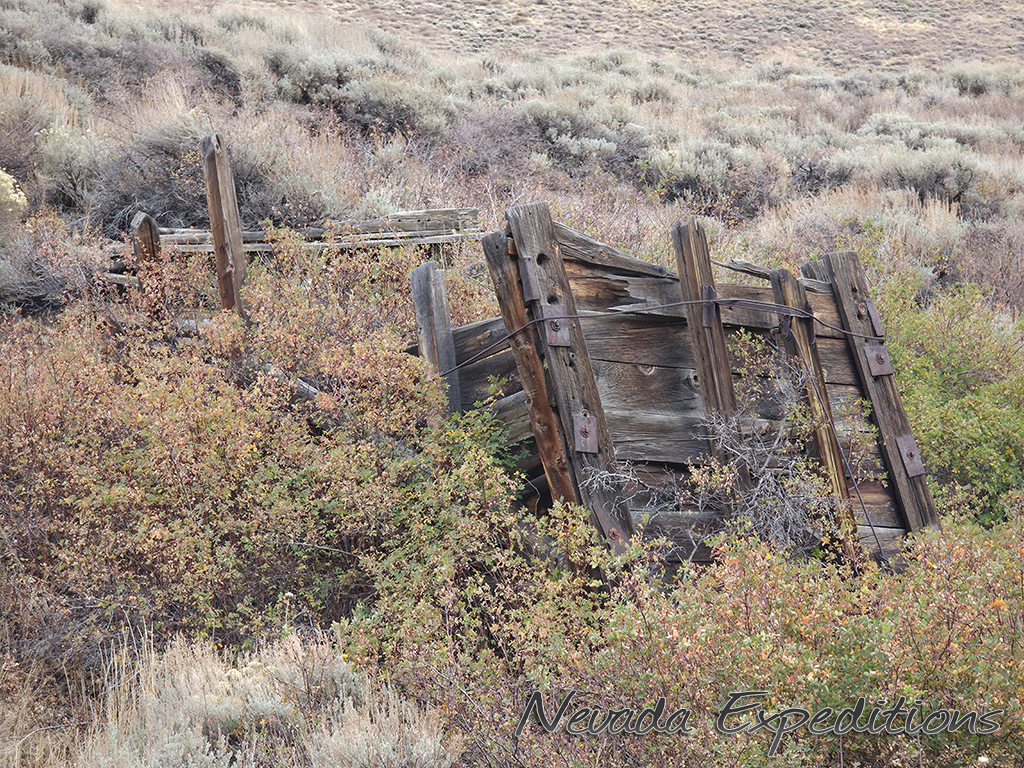
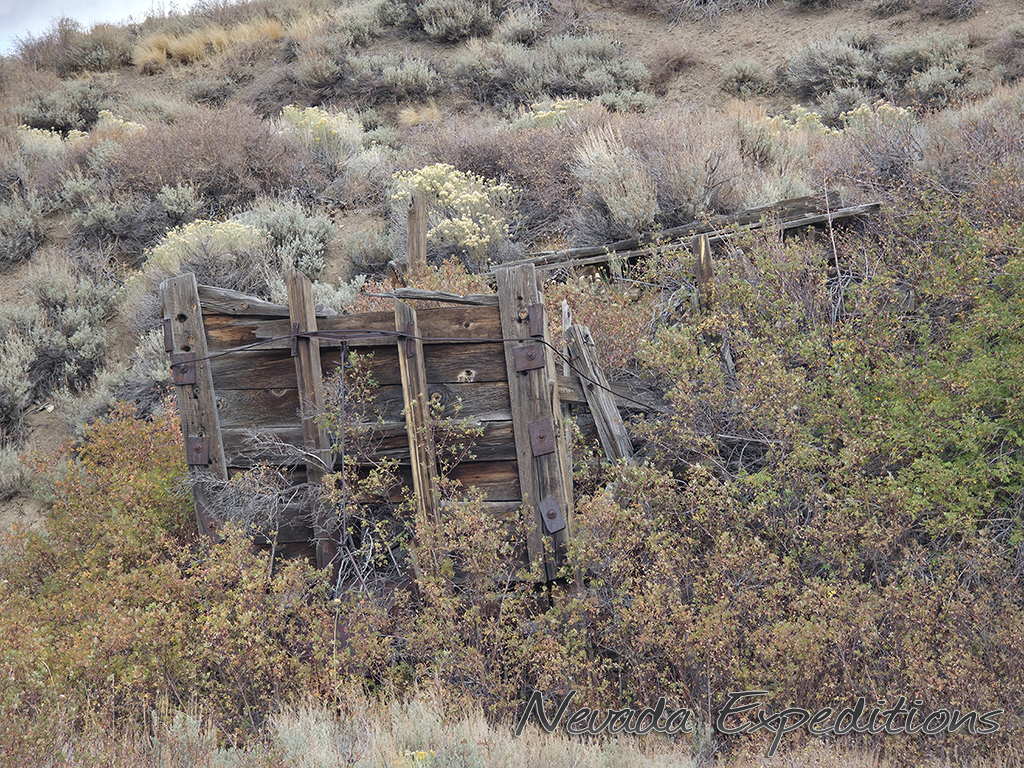
Through the 1880s, only ranches operated in Big Creek Canyon, and the population had dropped to only 26. New discoveries in 1890 and 1891 - this time of antimony - brought a renewed interest in mining to Big Creek, lasting until 1898. With the exception of brief stints of work at the Beulah-Bray mine near old Montrose, mining in Big Creek had come to an end. Few discernable remnants can be found from the early days, but ruins of stone and brick are seen at Lander City. The site of Canyon City was obliterated by the modern Big Creek Campground.